
Durand Clematis
Clematis x durandii T. Durand ex Kuntze
Description
Growing requirements
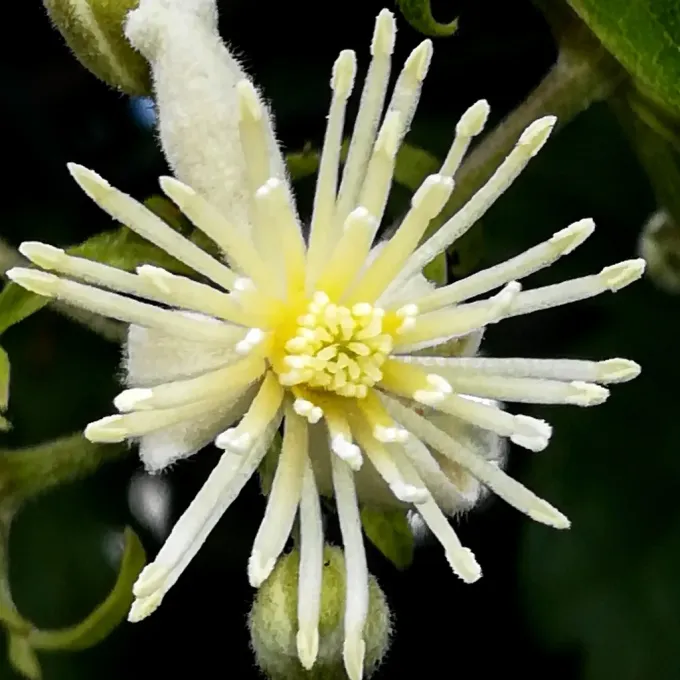
Durand Clematis (Clematis x durandii) is a perennial herbaceous hybrid belonging to the Ranunculaceae family. It is a cross between Clematis integrifolia and Clematis lanuginosa, known for its deep blue to purple flowers and long blooming period throughout the summer.
This plant lacks tendrils for climbing and requires human assistance, such as tying it to trellises, fences, or other garden supports. It is often used as a ground cover or a climbing plant, depending on how it is trained by the gardener.
Optimal growth is achieved in sunny locations with well-drained, fertile soil. The root system is sensitive to extreme heat, so it is highly recommended to shade the base of the plant using mulch or low-growing companion plants.
Soil moisture levels must be consistent but not waterlogged. Proper drainage is essential at the time of planting, especially in areas with heavy clay soils, to prevent crown rot and other moisture-related issues.
Regular fertilization with balanced NPK formulas is beneficial during the active growth phase. After the first frost, the stems should be pruned back significantly to encourage stronger growth and better flowering in the following season.
Main diseases and pests
Clematis wilt, caused by fungi, is a serious threat that leads to sudden collapse of the stems. If symptoms appear, cut back the affected parts to the healthy tissue and destroy the debris to prevent the spread of spores.
Powdery mildew is a common fungal infection occurring in stagnant, humid air. Increasing air circulation around the plants and avoiding overhead irrigation during cool, damp weather significantly reduces the risk of infection.
Aphids and spider mites are typical pests that infest the leaves and buds, causing distortion and yellowing. Regular monitoring allows for quick intervention with appropriate insecticidal soaps or systemic pesticides.
Root-knot nematodes can cause stunted growth and nutrient deficiencies by damaging the root system. Prevention is key, involving the use of pathogen-free soil and maintaining plant vigor through proper fertilization.
Slugs and snails can cause severe damage to new growth in the spring. Implementing manual barriers or using eco-friendly bait traps is an effective way to keep these pests away from the tender foliage.