
Clematis diversifolia
Clematis x diversifolia DC.
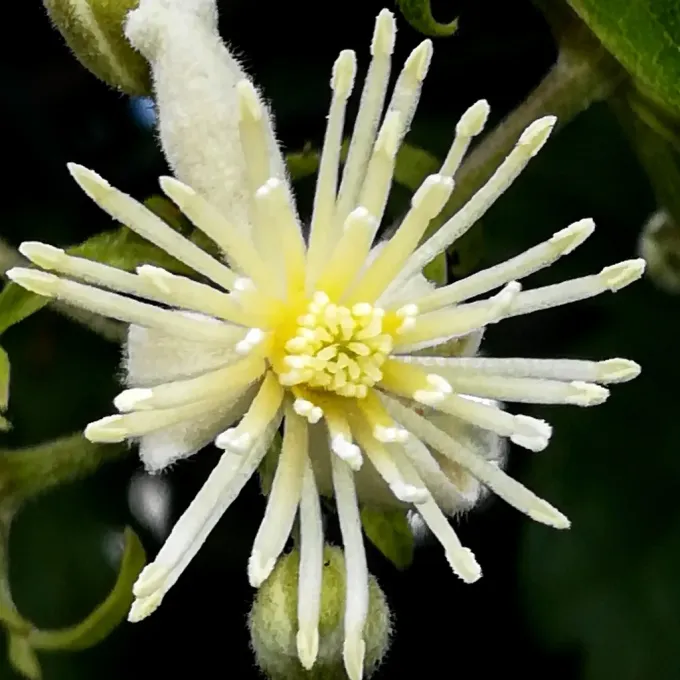
Description
Growing requirements
Clematis diversifolia is a perennial herbaceous vine belonging to the Ranunculaceae family, widely recognized for its unique semi-shrubby growth habit. It is a natural hybrid known for its ability to integrate well into various garden compositions, functioning either as a climbing plant or a spreading groundcover.
The cultivation of this species requires well-drained, nutrient-rich soil with a neutral to slightly alkaline pH. It thrives in locations that receive full sun for the foliage, while the root zone benefits significantly from shade provided by low-growing perennials or mulching techniques.
Regarding climate, Clematis diversifolia demonstrates moderate cold hardiness, making it suitable for temperate regions. Consistent moisture is essential during the primary growing season, though care must be taken to prevent waterlogging, which can easily lead to root rot in susceptible soil types.
Effective agrotechnical practices include the application of balanced, slow-release fertilizers during the onset of spring. Proper spacing is also vital, as it ensures adequate airflow around the foliage, which is a critical factor in preventing moisture-related fungal issues during the summer months.
Economically and aesthetically, this plant is a staple in ornamental horticulture, valued for its long flowering season and adaptability. It is commonly utilized in residential landscapes to provide vertical interest on trellises, arbors, and small garden support structures.
Main diseases and pests
The most significant threat to this species is the condition commonly referred to as clematis wilt, a fungal infection that causes sudden wilting and collapse of the stems. Proper soil drainage and avoiding overhead watering are the primary preventative measures for maintaining plant health.
Powdery mildew can frequently affect the leaves, particularly during periods of high humidity and stagnant air. Management strategies involve the use of appropriate fungicides and maintaining optimal plant density to ensure sufficient air circulation through the canopy.
Common garden pests such as aphids and spider mites can infest the soft tissues of the plant, leading to stunted growth and leaf discoloration. Integrated pest management, including regular inspection and the use of targeted insecticides, is recommended to mitigate these potential infestations.
Root-knot nematodes pose a serious risk to the subterranean parts of the plant, often leading to a general decline in vigor. Soil quality management and avoiding the reuse of infected planting areas are critical for ensuring the longevity of the clematis collection.
Slugs and snails can cause substantial damage to young shoots during the early stages of the growing season. Implementing physical barriers, such as copper tape or crushed eggshells, or using organic baits can help protect the vulnerable growth from these gastropods.