
Clematis Cartmanii
Clematis x cartmanii
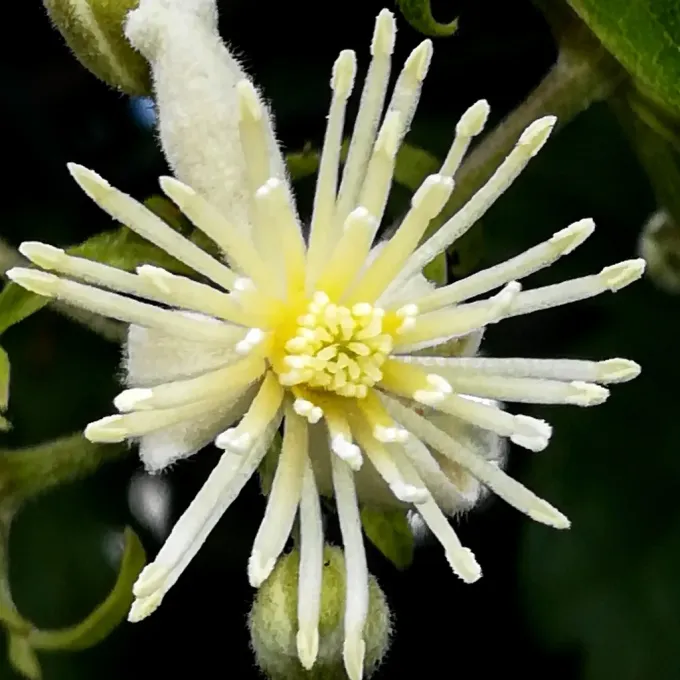
Description
Growing requirements
Clematis x cartmanii belongs to the Ranunculaceae family and is an evergreen hybrid originating from New Zealand. It is highly valued in horticulture for its compact growth habit and profuse, delicate white flowers that appear in late winter or early spring.
The crop requires fertile, well-draining soil with a neutral to slightly alkaline pH. Drainage is a critical factor, as this species is highly susceptible to root rot caused by waterlogged soil conditions, which must be strictly avoided during cultivation.
Optimal light conditions include bright, filtered sunlight. While the plant can tolerate some sun exposure, excessive heat in direct light can stress the foliage, so partial shade during the hottest part of the day is recommended for vigorous growth.
Agronomic management involves consistent irrigation, ensuring the substrate remains moist but not saturated. Regular fertilization using balanced liquid plant food during the growing season helps support the extensive flowering cycle characteristic of this hybrid.
The primary use of Clematis x cartmanii is as an ornamental container plant. It is frequently employed in greenhouse settings or sheltered patios where its evergreen nature provides foliage cover throughout the year, making it a sought-after decorative specimen.
Main diseases and pests
Pathogens such as powdery mildew and various root-inhabiting fungi are the most common threats to plant health. Maintaining adequate air circulation and managing humidity levels are essential cultural practices to mitigate these fungal risks.
Common pests include aphids and spider mites, which can proliferate in sheltered environments. Early detection through regular monitoring is key, and insecticidal soap applications are often sufficient to manage populations before they cause significant damage.