
Tibetan clematis
Clematis tibetana Kuntze
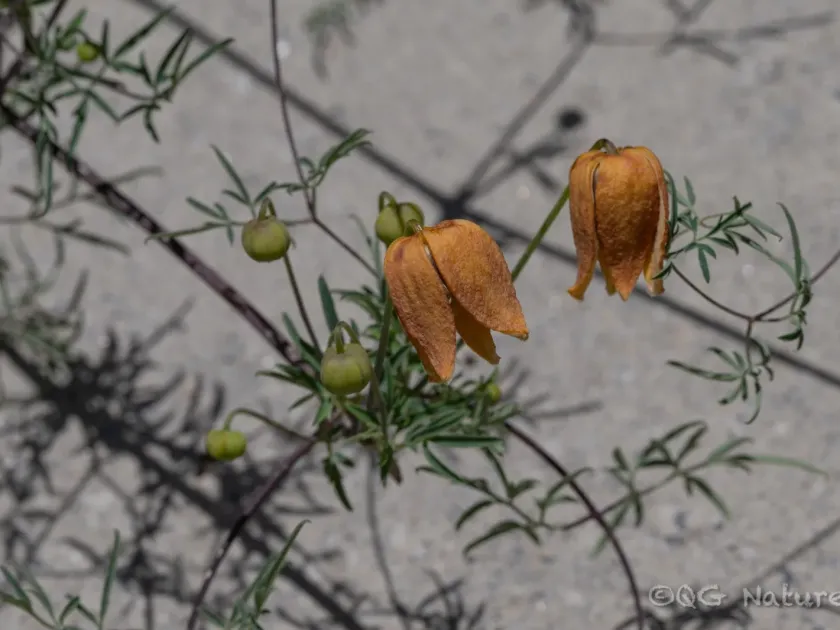
Description
Growing requirements
Tibetan clematis (Clematis tibetana Kuntze) is a perennial woody climber belonging to the Ranunculaceae family. It is native to the high-altitude regions of the Tibetan Plateau and the Himalayas, characterized by distinct seasonal variations.
The species prefers well-drained, fertile soil with a neutral to slightly alkaline pH. Proper soil aeration is essential to prevent root rot, especially during the wetter months of the vegetative period.
In terms of climate, it thrives in cool to temperate environments with plenty of sunlight. It is highly valued for its ability to withstand cold winters while continuing to grow vigorously in the following spring season.
Agronomic practices include the installation of sturdy trellises or supports to facilitate the climbing habit of the plant. Regular pruning is recommended to maintain the structure and encourage fuller flowering.
This culture is widely used in landscape architecture for covering walls, fences, and pergolas. Its unique yellow bell-shaped flowers and fluffy seed heads provide aesthetic interest throughout the growing season.
Main diseases and pests
Fungal wilting (commonly known as clematis wilt) is a major threat to the plant. It often occurs due to excessive soil moisture or stem damage, requiring careful monitoring of the root zone conditions.
Powdery mildew can affect the foliage if there is poor air circulation or high humidity levels. Maintaining space between plants and ensuring sufficient sunlight helps in preventing these fungal infections.
Aphids can infest new growth and flower buds during the peak growing season. Regular inspection and the application of suitable horticultural soaps or insecticides are effective in managing pest outbreaks.
Spider mites may become a nuisance in hot and dry climates. Improving environmental humidity or using targeted acaricides can mitigate the damage caused by these microscopic pests.
Root-knot nematodes can weaken the plant by affecting its nutrient uptake. To prevent this, it is advised to use certified, disease-free planting material and maintain healthy, organic-rich soil structure.