
Clematis serratifolia
Clematis serratifolia Rehder
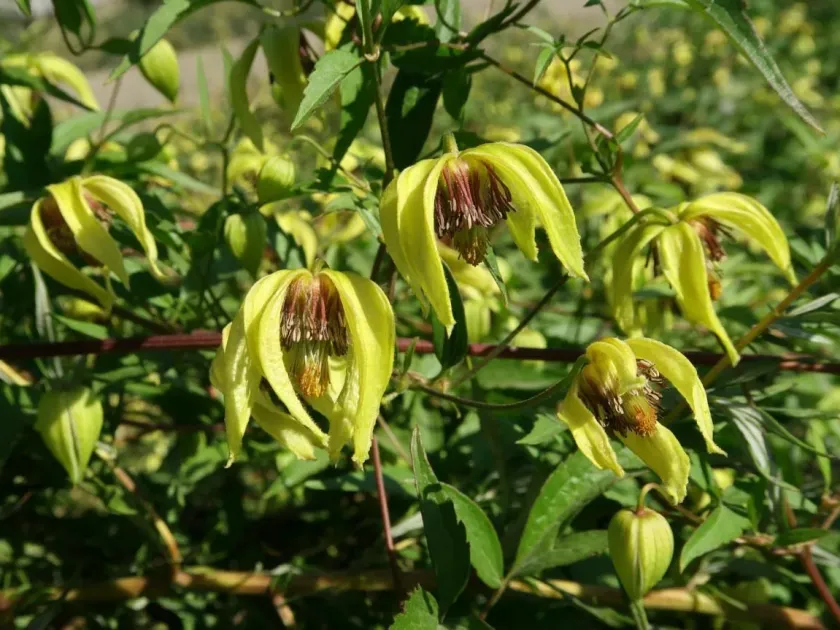
Description
Sowing dates
Clematis serratifolia is a member of the Ranunculaceae family, prized for its unique foliage and delicate blooms. Propagation is typically achieved through seed germination in cold frames or during the late autumn season.
When starting from seeds, ensure a cold stratification period of several weeks to break dormancy. Seeds should be sown in a well-draining, sterile potting mix to prevent damping-off.
Seedlings develop relatively slowly during the first year. It is crucial to provide consistent moisture and avoid placing young plants in harsh, direct sunlight until they are fully established.
Transplanting to the final location should be done carefully to avoid disturbing the sensitive root system. A hole twice the size of the container is recommended for optimal root spreading.
Staking young plants is necessary from the very beginning to encourage upward growth and prevent the vines from tangling along the ground, which increases disease risk.
Growing requirements
This species thrives in locations with full sun to partial shade. While it loves the light, it is essential that the roots remain cool, which can be achieved by planting ground cover around the base.
The soil should be rich in organic matter and possess excellent drainage. This plant does not tolerate waterlogged conditions, which can lead to quick decline of the root system.
Regular watering is essential, especially during the dry summer months. Deep watering once a week is preferable to frequent, shallow sprinkling that does not reach the roots.
Pruning is vital for maintaining the aesthetic appeal and vigor of the vine. It should be performed in early spring before new growth begins to stimulate branching and flowering.
Applying a slow-release fertilizer in early spring ensures that the plant receives adequate nutrients throughout the growing season for robust foliage production.
Main diseases and pests
The most common disease is clematis wilt, caused by soil-borne fungi. Providing adequate airflow and avoiding overhead irrigation can significantly reduce the incidence of this issue.
Powdery mildew can affect the leaves during periods of high humidity and poor air circulation. Applying appropriate fungicides at the first sign of white spots is recommended.
Aphids and mites are the most frequent pests. These can be managed using horticultural oils or insecticidal soaps, provided the plant is treated thoroughly on both sides of the leaves.
Small mammals or snails may damage the succulent new growth of the vine. Protective collars or physical barriers are effective measures to prevent these losses.
Consistent monitoring for any signs of leaf discoloration or wilting allows for prompt intervention, which is key to maintaining a healthy and productive Clematis serratifolia.