
Ground clematis
Clematis recta L.
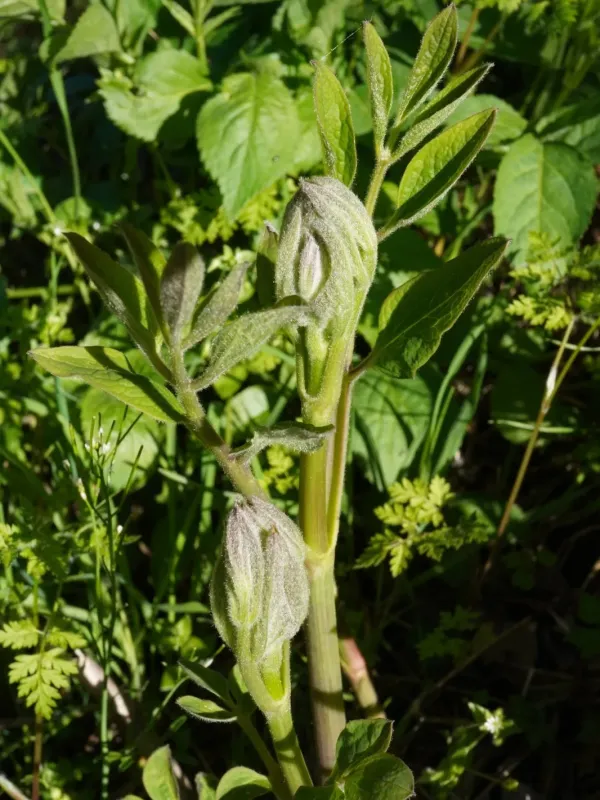
Description
Sowing dates
Sowing seeds of Clematis recta is most effective when done in late autumn, allowing the seeds to undergo natural stratification during the winter months for optimal germination rates.
If spring sowing is preferred, seeds must be artificially stratified in a cold environment (refrigerator) at temperatures between 2 and 5 degrees Celsius for at least two months before planting.
Seeds should be planted at a shallow depth of 1-2 centimeters in a loose, well-draining seed-starting mix to ensure adequate oxygen circulation around the embryo.
For container-grown starts, maintain a consistent temperature of approximately 20 degrees Celsius. Keep the substrate moist but avoid waterlogging, which can lead to seed rot.
Transplanting seedlings to their permanent outdoor location should only occur after the risk of frost has passed in late spring, allowing the root system to establish before the heat of summer.
Growing requirements
Ground clematis thrives in full sun to partial shade. While it is a robust plant, it appreciates protection from strong, prevailing winds that might bend or break its upright stems.
The soil must be fertile, deep, and well-draining. Clematis recta is sensitive to "wet feet," so integrating organic matter and sand into heavier soils is highly recommended to improve structure.
A neutral to slightly alkaline pH level is ideal. Periodic testing of soil acidity is advised, as the plant may show signs of chlorosis if the pH drops too low for too long.
While the plant is relatively drought-tolerant once established, regular irrigation during the first growing season is crucial to help the deep root system develop properly.
Mulching the base of the plant with organic material helps maintain consistent soil moisture and suppresses competing weeds, reducing the need for mechanical cultivation near the roots.
Main diseases and pests
Gray mold (Botrytis) is a frequent issue in areas with poor airflow or high humidity. Pruning crowded stems is an essential cultural practice to ensure adequate ventilation.
Powdery mildew can infect foliage during warm, stagnant periods. Utilizing neem oil or appropriate fungicides can manage infestations if cultural controls are insufficient.
Aphids tend to colonize new, tender growth. If left unchecked, they can spread viruses and weaken the plant, making it more susceptible to environmental stressors.
Root-knot nematodes can damage the root system, stunting plant growth. Maintaining healthy soil biology and avoiding infected plant stock are the best preventive measures.
Slugs and snails can cause significant damage to emerging shoots in the spring. Monitoring and the use of physical barriers or organic baits are effective strategies for home gardeners.