
Clematis patens variety tientaiensis
Clematis patens C. Morren & Decne. var. tientaiensis (M. Y. Fang) W. T. Wang
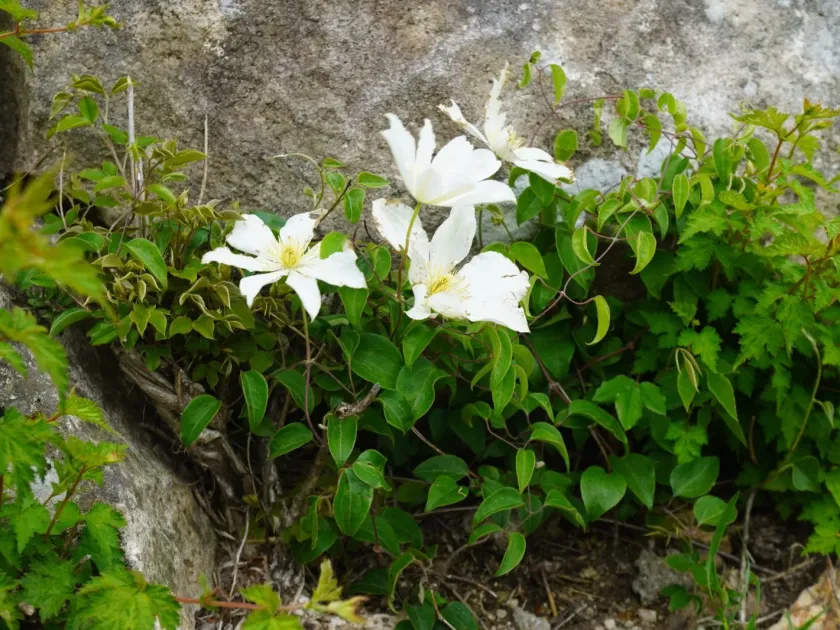
Description
Growing requirements
Clematis patens variety tientaiensis is a member of the Ranunculaceae family, characterized by its climbing habit and woody stems. It is native to the forested regions of East China, specifically within the Tientai mountain range, which informs its biological adaptation to woodland habitats.
The plant requires deep, well-drained, and nutrient-rich soil to thrive. In agricultural settings, it is essential to ensure the soil pH is slightly alkaline to neutral, as this variety is sensitive to highly acidic environments which can inhibit nutrient uptake.
Regarding climatic requirements, this variety prefers temperate conditions with moderate rainfall. It requires a distinct distinction between light and shadow: the roots should be kept cool and shaded with mulch or ground-cover plants, while the foliage needs exposure to indirect sunlight.
Proper trellising is an essential agronomic practice for this variety. As it is a vigorous grower, providing sturdy vertical support is necessary for healthy leaf development and flowering, preventing the stems from matting and promoting air circulation.
The primary use of Clematis patens var. tientaiensis is ornamental, particularly in high-end landscaping and botanical collections. Its breeding potential is highly regarded due to its early flowering period and distinct floral morphology compared to other cultivars in the same species.
Main diseases and pests
Wilt, caused by soil-borne pathogens, remains the most significant threat to the plant's viability. If signs of wilting appear, the affected stems must be cut back to the ground level immediately to prevent the spread of the pathogen to the crown.
Aphids and mites are the most common pests affecting this variety. They usually attack the soft, new growth at the tips of the shoots, causing curling and stunted development. Biological controls, such as beneficial insects, can be integrated into the maintenance program.
Powdery mildew represents a consistent seasonal challenge, favored by stagnant air and humidity fluctuations. Maintaining good spacing between plants and avoiding overhead irrigation can significantly reduce the risk of this fungal disease.
Slugs and snails can also cause substantial damage to young shoots in the spring. Implementing physical barriers or using approved baits around the base of the plant is recommended during the early stages of the growing season.
General hygiene, such as removing debris and dead foliage, is a critical component of pest management. Keeping the plant vigorous through balanced fertilization and correct watering practices makes it more resilient to the aforementioned threats.