
Clematis patens
Clematis patens C. Morren & Decne.
Description
Growing requirements
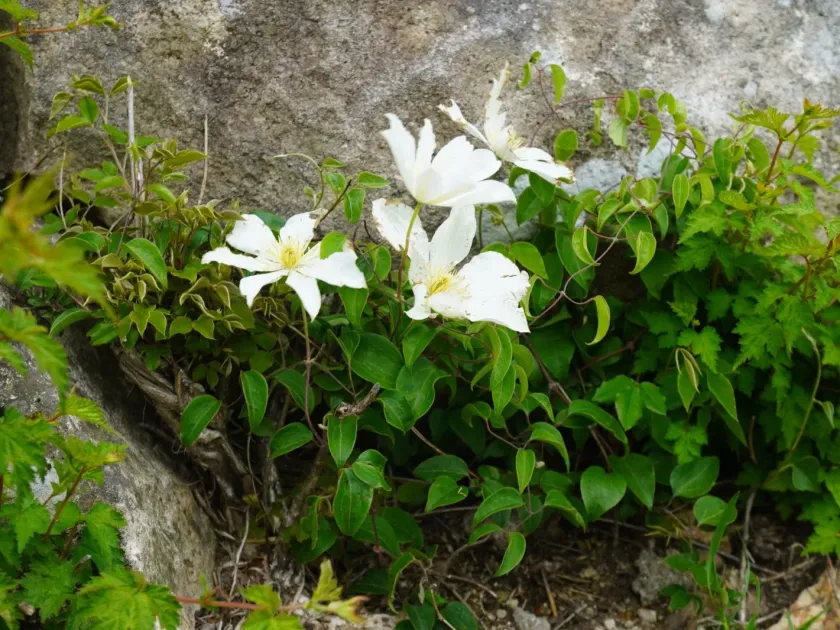
Clematis patens is a perennial woody climber belonging to the Ranunculaceae family. Native to East Asia, particularly Japan, this species is highly regarded by gardeners for its large, star-shaped flowers that bloom on previous year's growth.
The plant thrives in fertile, well-draining loamy soils with a neutral or slightly alkaline pH. Proper soil preparation is essential; adding organic matter helps maintain soil structure, while a gravel base in the planting hole prevents the roots from sitting in stagnant water.
Site selection is critical for success with this species. It prefers a position in full sun to partial shade, where the flowers receive light but the root system remains shaded and cool. Providing a trellis or wire system is necessary to support its climbing habit.
Cultivation requires consistent moisture throughout the growing season, especially during hot spells. Mulching around the base is an effective technique to keep the soil moist and regulate root temperature, which is vital for the plant's overall health and vigor.
In landscaping, Clematis patens is primarily used as a decorative climber for walls, fences, and pergolas. It is highly valued for its aesthetic contribution to garden verticality, providing a dramatic display of blooms during the spring and early summer months.
Main diseases and pests
Clematis wilt is the most significant disease affecting this species, often causing the sudden collapse of stems. To mitigate this risk, gardeners should ensure excellent airflow around the plant and avoid deep planting of the stem base.
Aphids are frequent pests that congregate on the soft tips and developing flower buds. These insects weaken the vine by sap-sucking and can introduce viral diseases, so prompt intervention with insecticidal soap or biological control is advised.
Spider mites thrive in hot, dry conditions, causing the foliage to lose color and develop a speckled appearance. Increasing ambient humidity and applying targeted acaricides during severe infestations are the standard methods of management.
Root-knot nematodes can cause stunted growth by damaging the underground structures. It is recommended to use sterilized soil or resistant cultivars if the area has a history of nematode presence to ensure the longevity of the plant.
Integrated pest management, including regular inspection and sanitation, is the key to maintaining a healthy Clematis. Removing fallen leaves and infected debris at the end of the season significantly reduces the pressure from overwintering fungi and pests.