
Clematis paniculata x forsteri
Clematis paniculata x forsteri
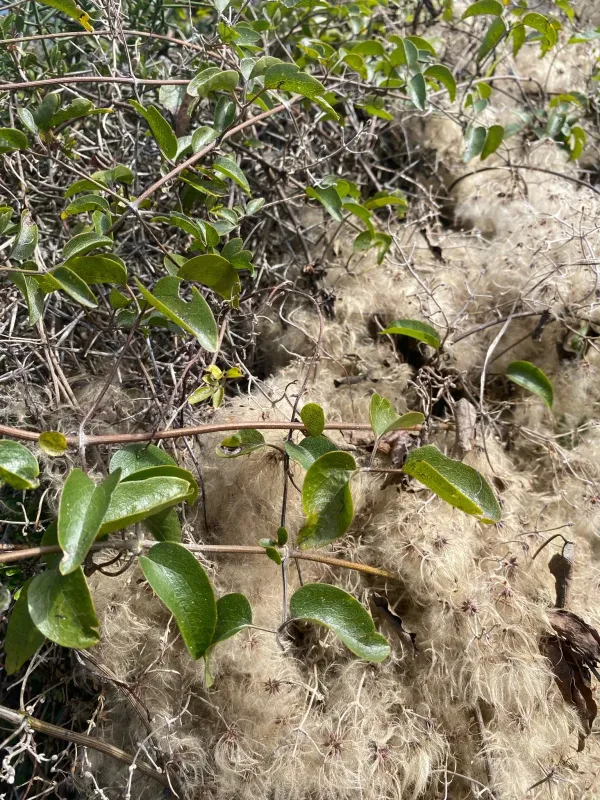
Description
Growing requirements
Clematis paniculata x forsteri is a perennial woody climber belonging to the Ranunculaceae family. It is a highly decorative hybrid valued for its rapid vertical growth and abundant foliage, making it a popular choice for wall coverings and garden structures.
The plant thrives in locations with full sun to partial shade. While it requires its foliage to be exposed to plenty of light for blooming, the root system must be kept cool and moist, which is typically managed through heavy mulching or companion planting at the base.
Soil requirements demand a well-drained, nutrient-rich substrate with a neutral to slightly alkaline pH. Proper aeration is crucial; therefore, heavy clay soils must be amended with organic matter and gravel to prevent root rot.
Regarding climatic needs, this hybrid performs best in regions with mild winters and moderate summer temperatures. Extreme heat can lead to wilting, while severe frosts may damage the apical buds, necessitating protective coverings in colder zones.
General maintenance involves systematic pruning to shape the plant and encourage vigorous flowering. Pruning should be timed according to the variety's flowering cycle, typically performed after the main bloom is finished to prepare for new seasonal growth.
Main diseases and pests
Clematis wilt (Phoma clematidina) remains the most critical threat, causing sudden collapse of stems. It is managed by removing infected tissues immediately and applying appropriate fungicides to the surrounding soil.
Powdery mildew is a common fungal issue that appears as a white dust on leaves during warm, humid weather. Maintaining good airflow by proper pruning and spacing is the best preventative strategy.
Aphids tend to congregate on tender new growth, causing leaf curling and stunted development. These pests are usually controlled with insecticidal soaps or systemic treatments if the infestation is heavy.
Spider mites can become problematic during dry, hot spells. Frequent misting and the use of acaricides are effective methods to keep populations below the threshold that causes significant plant damage.
Root-knot nematodes can weaken the plant by feeding on roots, leading to overall lack of vigor. Ensuring clean soil at planting and practicing crop rotation are key defense mechanisms against this silent threat.