
Sweet autumn clematis
Clematis paniculata J. F. Gmel.
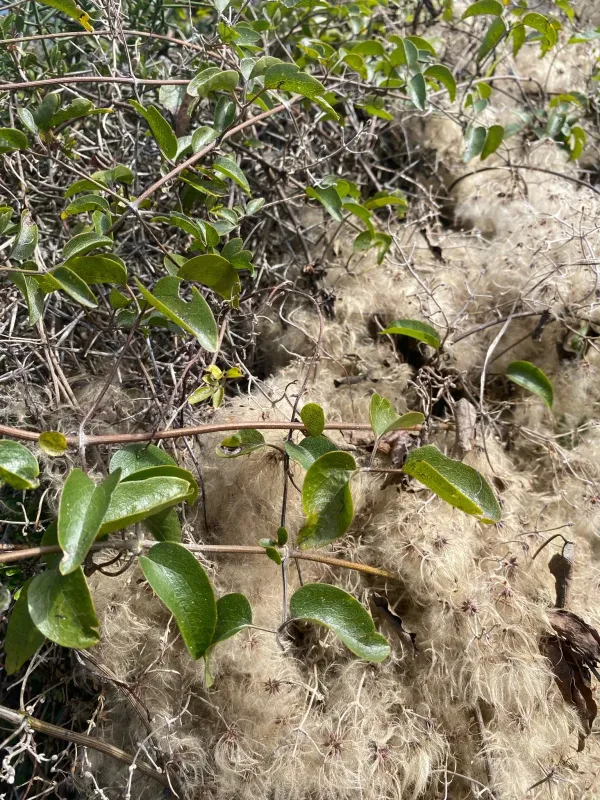
Description
Growing requirements
Sweet autumn clematis (Clematis paniculata) is a vigorous woody vine belonging to the Ranunculaceae family. Native to East Asia, including Japan and China, it has become a popular ornamental species in many regions due to its late-season profusion of white, fragrant flowers.
The plant thrives in full sun, which is essential for maximizing flower production and maintaining a healthy leaf structure. While it can tolerate partial shade, insufficient light often results in thin, leggy growth and reduced blooming potential throughout the season.
Regarding soil requirements, this species prefers deep, fertile, and well-drained loamy soils. It is crucial to maintain a neutral to slightly alkaline soil pH and ensure that the root zone is kept moist but not waterlogged, as poor drainage frequently causes root rot.
Cultural practices include regular mulching around the base to keep roots cool, especially during the peak of summer heat. Applying balanced, slow-release fertilizers in the early spring significantly boosts the vigor of the vine and prepares it for the autumnal blooming period.
In landscaping, this species is highly valued for its rapid growth rate, making it an excellent choice for covering trellises, arbors, and large fences. Its ability to create a dense screen of greenery provides both aesthetic appeal and practical shade for garden structures.
Main diseases and pests
The most devastating condition affecting this vine is clematis wilt, caused by soil-borne fungi. This disease causes stems to suddenly collapse and die back, necessitating the immediate removal and destruction of affected parts to stop the spread to neighboring vines.
Powdery mildew is a common foliage issue, especially in environments with poor air circulation and high humidity. Improving the spacing between plants and applying appropriate fungicides can help manage the infection and protect the plant's decorative appearance.
Aphids are frequent visitors that tend to colonize the tender tips of new growth. While a light infestation might not harm a mature plant, severe outbreaks can weaken the vine and attract sooty mold, which grows on the honeydew secreted by the pests.
Spider mites can also be problematic during hot and dry spells. Their presence is usually indicated by a fine, dusty appearance on the leaves, which eventually turn yellow and drop off. Increasing humidity or using horticultural soaps can effectively control these pests.
Proactive management involves practicing strict garden hygiene, such as removing dead foliage at the end of the season. Proper pruning techniques not only maintain the desired shape but also help prevent the buildup of pest populations and disease spores within the dense canopy.