
Mountain clematis
Clematis montana Buch.-Ham. ex DC.
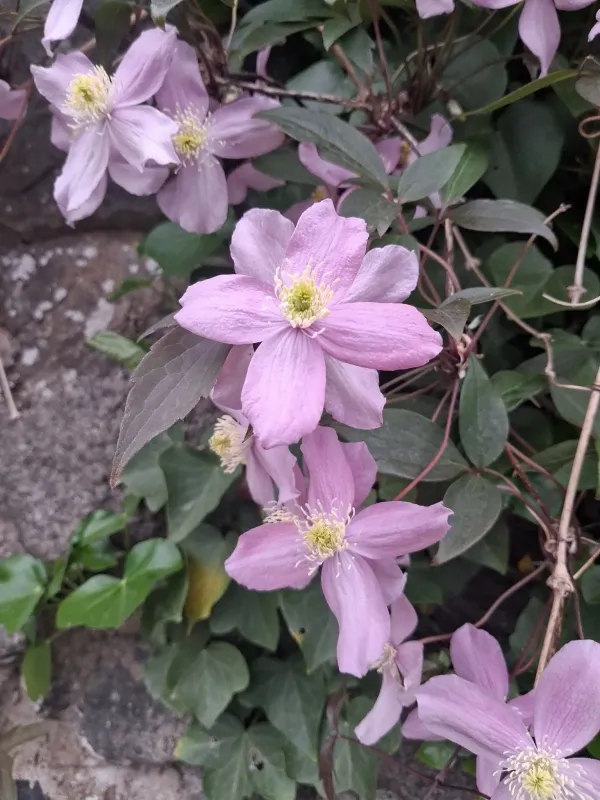
Description
Sowing dates
Mountain clematis is a vigorous, deciduous woody climber belonging to the Ranunculaceae family, widely recognized for its fast growth rate and profuse spring flowering.
In nursery production, this crop is primarily propagated vegetatively using softwood cuttings taken during the early summer when the stems are flexible and nutrient-rich.
Planting of nursery-grown stock should ideally take place in the spring or early autumn to allow the root system to establish itself in the ground before extreme temperatures occur.
Seed propagation is less common due to the long period of cold stratification required for successful germination, making it a method reserved for breeding or extensive field trials.
Proper spacing is essential to ensure adequate airflow, which is critical for reducing the risk of fungal diseases that often thrive in the dense foliage of climbing plants.
Growing requirements
The plant thrives in fertile, well-drained, and moisture-retentive soils. It performs best in neutral to slightly alkaline soil conditions, avoiding heavily compacted or waterlogged areas.
Clematis montana prefers a sunny location where the upper foliage can reach full sun, while the root zone remains shaded and cool, typically achieved through mulch or groundcover plants.
A sturdy support system is mandatory, as this climber utilizes its leaf petioles to wrap around structures and climb; therefore, trellis, fences, or walls must be prepared before planting.
Regular fertilization with balanced nutrients is recommended during the active growth phase to support the heavy development of new vines and to ensure vibrant flowering cycles.
Watering requirements are moderate; however, the soil should not be allowed to dry out completely during the heat of the summer to prevent stress and potential leaf scorch.
Main diseases and pests
Clematis wilt is the most significant pathological threat, characterized by the sudden collapse and drying of entire stems, requiring immediate sanitation and removal of infected tissues.
Powdery mildew is a common foliage issue, especially in seasons with poor ventilation and high humidity, which can be managed with appropriate fungicide applications and pruning.
Pest pressure from aphids and spider mites can be high, particularly during hot, dry spells, necessitating regular monitoring and the use of targeted insecticide treatments.
Slugs and snails may attack young shoots and emerging buds in the early spring, requiring physical barriers or bait if the infestation levels threaten the plant's health.
Proactive cultural management, including cleaning up fallen debris and maintaining adequate spacing, serves as the primary line of defense against both pests and diseases.