
Clematis marmoraria x paniculata
Clematis marmoraria x paniculata
Description
Growing requirements
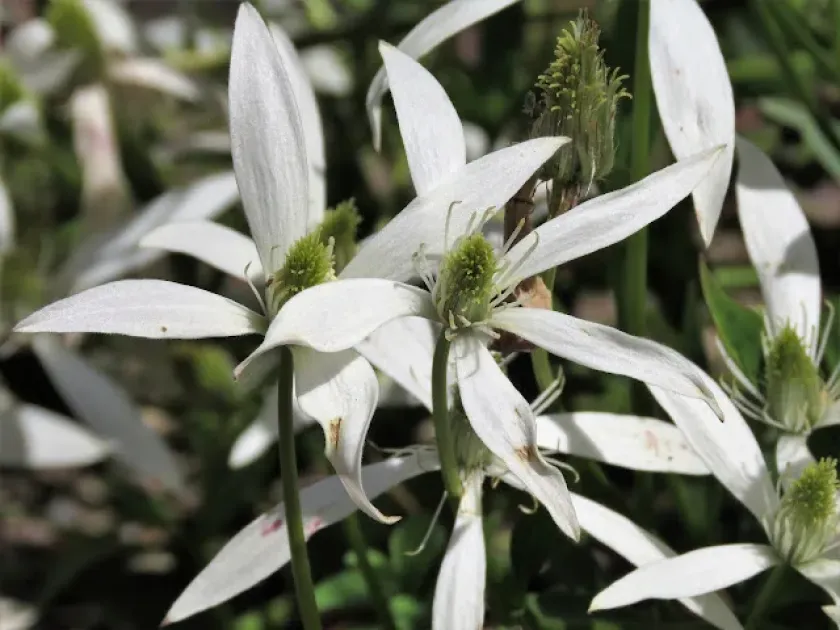
Clematis marmoraria x paniculata is a sophisticated interspecific hybrid belonging to the Ranunculaceae family. It is prized by gardeners for combining the dwarf, rock-garden habit of Clematis marmoraria with the vigorous, free-flowering traits of the sweet autumn clematis.
This hybrid thrives in well-drained, fertile soil with a neutral to slightly alkaline pH. Proper soil structure is critical, as stagnant water around the roots can lead to root rot and crown decline, especially during the dormant season.
Ideal planting sites include locations with morning sun and afternoon shade. While the species is generally resilient, it benefits from a sheltered position protected from strong, drying winds that can damage the delicate foliage and blossoms.
The agronomic management of this plant requires consistent moisture levels, particularly during the first two years of establishment. Mulching the base of the plant with organic compost helps retain moisture and keeps the roots cool during the heat of summer.
Fertilization should be performed in early spring as new growth emerges, using a balanced slow-release fertilizer. Avoid excessive high-nitrogen applications, as this promotes foliage growth at the expense of floral development.
Main diseases and pests
Clematis wilt, caused by the fungus Phoma clematidina, is the most significant threat to the health of the plant. Maintaining high air circulation around the stems is the primary preventative measure against this pathogen.
Aphids can be a common nuisance during the peak growing season, often gathering on the underside of leaves or flower buds. A gentle stream of water or insecticidal soap is usually sufficient to manage minor infestations effectively.
Root-knot nematodes can cause localized swellings on the roots, leading to a general decline in plant vigor. To mitigate this risk, gardeners should ensure soil health by incorporating high-quality compost and avoiding planting in infested sites.
Slugs and snails often feed on young, succulent shoots in the spring. Implementing physical barriers, such as copper tape or crushed eggshells, can protect the plant without the need for chemical intervention.
Powdery mildew may occur in late summer, especially in areas with high humidity and poor airflow. Regular pruning to remove overcrowded stems improves canopy aeration and reduces the likelihood of infection.