
Clematis macropetala
Clematis macropetala Ledeb.
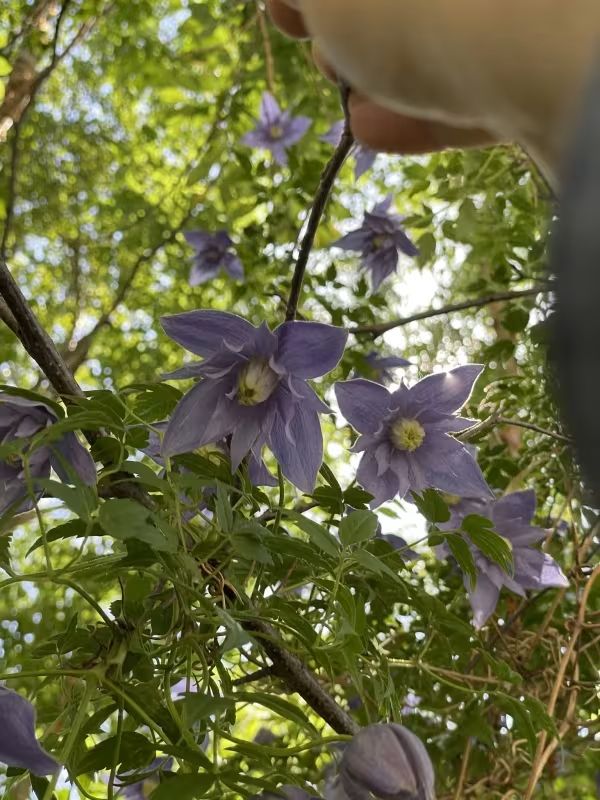
Description
Sowing dates
Seeds of Clematis macropetala are typically sown in autumn, directly into the soil to ensure they undergo the necessary cold stratification period. This natural process breaks seed dormancy and improves germination rates significantly during the spring season.
When starting seeds indoors, they require a simulated cold treatment for approximately 8 to 12 weeks at temperatures between 1 and 5 degrees Celsius. After stratification, they should be placed in a warm environment with plenty of light for optimal growth.
Vegetative propagation through cuttings is a popular method for preserving specific traits. Softwood cuttings should be taken in early summer and rooted in a well-draining mixture of peat and perlite under high humidity conditions.
Layering is an effective and low-stress way to expand your collection. By pinning a low-growing shoot into the soil during early summer, the plant can develop an independent root system, which can then be separated from the parent plant the following year.
Proper spacing is crucial when transplanting young seedlings into the garden. Maintaining a distance of at least 1.5 meters between vines ensures adequate airflow, which is essential for maintaining plant health and preventing common fungal issues.
Growing requirements
Clematis macropetala belongs to the Ranunculaceae family and is highly regarded for its cold hardiness. Originating from regions in Eastern Asia, this species is naturally adapted to cool-temperate climates, making it robust for various gardening zones.
The plant thrives best in a position with full sun to partial shade. While it enjoys having its upper stems in the sun, it prefers to keep its root zone cool and shaded, which can be achieved by planting low-growing perennials nearby.
The ideal soil is fertile, well-draining, and neutral to slightly alkaline in pH. If the garden soil is heavy or prone to waterlogging, it is vital to incorporate compost and gravel to prevent root rot, as poor drainage is the primary cause of plant death.
As a climbing vine, this clematis requires strong supports to reach its full potential. The plant uses its leaf stalks to coil around wires, trellises, or fences, making it an excellent choice for vertical gardening and aesthetic coverage of structures.
Regular maintenance involves deep watering during dry spells, especially throughout the first growing season. A layer of organic mulch helps retain soil moisture and keeps the roots protected from temperature extremes.
Main diseases and pests
Fungal infections, such as powdery mildew, are the most frequent health issues encountered. These pathogens thrive in stagnant, humid air, making it important to prune the vines to maintain good airflow through the foliage.
Wilt, caused by soil-borne fungi, is a significant threat to clematis plants. It typically manifests as sudden wilting of stems, often requiring the complete removal and destruction of affected parts to prevent further spread within the garden.
Common insect pests include aphids and spider mites, which congregate on the undersides of leaves. These pests weaken the plant by feeding on its sap, leading to stunted growth and reduced flowering capacity if not addressed in time.
Slugs and snails can be problematic for young shoots during the spring. Implementing protective barriers or using environmentally friendly bait can help protect the vulnerable growth during the early stages of development.
Effective management relies on proactive care, including regular inspection and sanitation. By keeping the base of the plant clean and ensuring appropriate spacing, gardeners can significantly mitigate the risk of disease and pest outbreaks.