
Woolly-leaved clematis
Clematis lanuginosa x Clematis patens
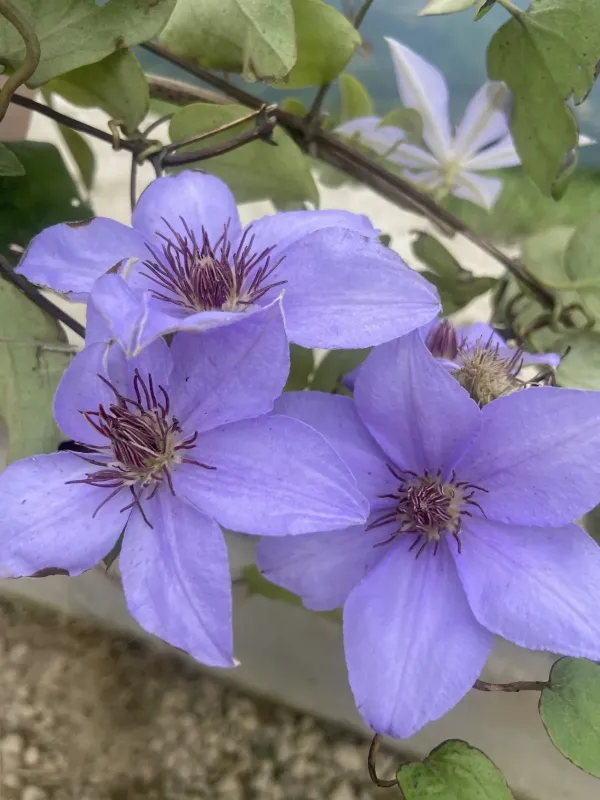
Description
Growing requirements
Woolly-leaved clematis (Clematis lanuginosa x Clematis patens) is a classic ornamental vine member of the Ranunculaceae family. This hybrid is highly valued for its large, showy blooms that emerge from early to mid-summer, making it a staple in decorative horticulture.
The plant thrives in locations with plenty of indirect sunlight. It is crucial to shade the base of the plant to keep the roots cool, which can be achieved by planting ground-covering perennials around the stem or using mulching materials.
Well-drained, fertile soil with a neutral to slightly alkaline pH is essential for vigorous growth. If the soil is too heavy, adding organic compost and sand is recommended to improve aeration and drainage, preventing root rot during wet seasons.
Cultural practices include consistent watering throughout the growing season, especially during hot spells. Mulching is highly recommended to conserve soil moisture and suppress weed growth, which competes with the vine for nutrients.
In landscaping, this climber is utilized for covering trellises, arbors, and walls. Its climbing habit allows it to reach significant heights, providing a lush green screen covered with vibrant flowers, which enhances the aesthetic value of any garden space.
Main diseases and pests
The most devastating condition for clematis is "clematis wilt," a fungal disease that causes stems to collapse rapidly. Immediate removal of affected stems and soil treatment with fungicides are necessary to save the plant from further systemic damage.
Powdery mildew often appears as a white, dusty layer on leaves during humid and warm weather. Regular air circulation within the canopy is vital, and periodic application of fungicides helps keep the foliage healthy and functional.
Spider mites and aphids are common pests that colonize the underside of leaves. If left uncontrolled, they cause yellowing, leaf drop, and overall plant decline, necessitating the use of targeted systemic insecticides or horticultural oils.
Root-knot nematodes can cause stunted growth and swollen roots, ultimately killing the plant. Since these soil-borne pests are hard to eliminate, choosing resistant cultivars or ensuring high-quality, pest-free soil at planting time is the best defense.
Maintaining a healthy environment through proper pruning techniques and nutrient management is key to disease resistance. By keeping the plant vigorous, it becomes significantly more capable of recovering from minor pest infestations.