
Clematis lanuginosa
Clematis lanuginosa Lindl. & Paxton
Description
Growing requirements
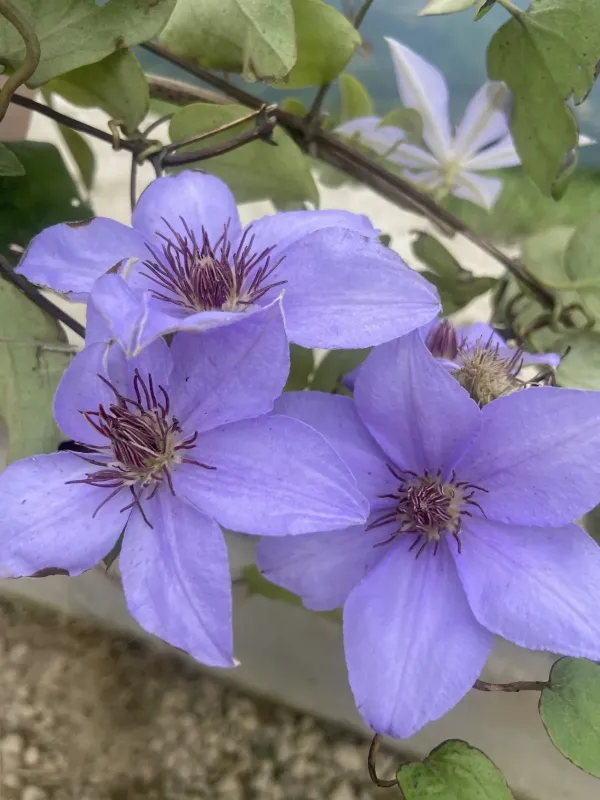
Clematis lanuginosa, commonly known as the woolly clematis, is a deciduous woody climber belonging to the Ranunculaceae family. Native to China, this species is highly valued for its large, attractive flowers and serves as an important cultivar in landscape horticulture and ornamental farming.
The plant thrives in temperate climates and requires well-drained, nutrient-rich soil with a neutral to slightly alkaline pH. Proper soil preparation involves adding compost or well-rotted manure to improve structure and water retention, while simultaneously ensuring excellent drainage to prevent root rot.
Exposure to sunlight is essential for flowering; however, the root zone requires shading to remain cool. Planting Clematis lanuginosa in a position that provides morning sun and afternoon shade is often considered optimal. Sturdy trellises or support structures are necessary to accommodate the rapid vertical growth of the vines.
Maintenance practices include consistent irrigation, particularly during dry spells, and the application of balanced fertilizers during the active growing season. A nitrogen-low, phosphorus-high fertilizer regime helps promote profuse blooming and strengthens the plant's overall constitution before the winter months.
Pruning must be carefully managed to maintain the plant’s health. As it typically flowers on previous year's wood, light pruning after the first flush of blooms is recommended to stimulate new growth. Ensuring the plant is protected from severe frost in colder regions is essential for long-term viability.
Main diseases and pests
The most devastating disease affecting this species is clematis wilt, caused by Phoma clematidina or Fusarium species. The pathogen invades the vascular tissues, leading to sudden wilting and collapse of stems. Once affected, the infected stems must be pruned and discarded immediately.
Powdery mildew is a common fungal infection that presents as a white powdery layer on foliage. It is generally managed by improving air circulation within the canopy and using sulfur-based or chemical fungicides if environmental conditions favor rapid fungal sporulation.
Pests such as spider mites and aphids are known to feed on the sap of young leaves and flower buds, weakening the plant. Regular monitoring of the undersides of the leaves is critical, and insecticidal soaps or neem oil may be used as an organic control method for minor infestations.
Root-knot nematodes represent a hidden threat, causing knots on the root system and inhibiting water and nutrient uptake. Prevention relies on sourcing certified disease-free plants and practicing crop rotation if the soil history shows previous infestation issues.
Integrated pest management (IPM) is the most effective approach for sustaining healthy plants. By fostering beneficial insects and maintaining optimal plant vigor through sound cultural practices, growers can significantly reduce the incidence of both diseases and pest-related stress.