
Korean clematis
Clematis koreana Kom. var. carunculosa (Gagnep.) Tamura
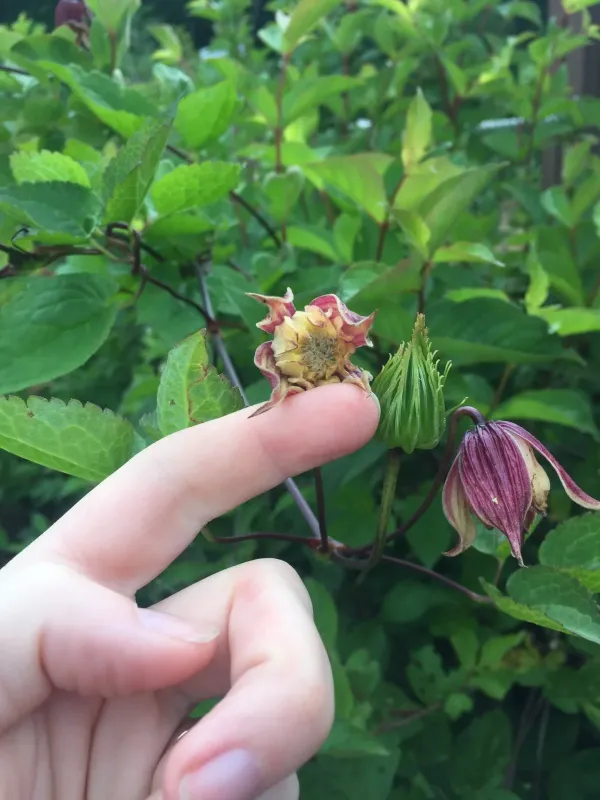
Description
Growing requirements
Korean clematis (Clematis koreana var. carunculosa) is a member of the Ranunculaceae family. This perennial deciduous climber is native to the Far East, typically inhabiting mountainous forest areas where it thrives in cool, sheltered environments with partial shade.
The plant requires well-drained, fertile soil with a neutral to slightly alkaline pH level. Ensuring the root system remains cool and shaded is critical for the health of the plant; this is often achieved by mulching the base or planting low-growing perennial groundcovers around the stems.
Proper agricultural practice involves providing consistent moisture without waterlogging the soil. Given its climbing habit, the species requires sturdy vertical supports such as trellises or arbors to encourage healthy growth and optimal exposure to indirect sunlight.
The species is noted for its winter hardiness, making it a reliable choice for temperate climate landscaping. However, consistent monitoring of site moisture and protection against harsh, drying winds in early spring is recommended to ensure robust development of new shoots.
Korean clematis is primarily utilized in ornamental horticulture for its aesthetic appeal. Its pendulous flowers and elegant vine structure make it an excellent candidate for covering walls, pergolas, and fences, significantly enhancing the vertical structure of garden designs.
Main diseases and pests
Fungal diseases, particularly Clematis wilt, pose the most significant threat to this species. Infections are often linked to excessive soil moisture and poor air circulation; thus, maintaining clean, well-pruned plants is the best defense against stem collapse.
Powdery mildew is a common issue during late summer when humidity levels fluctuate. Symptoms include a white, dust-like substance on the foliage, which can be managed through the application of sulfur-based or systemic fungicides to maintain healthy plant tissue.
Pests such as aphids and spider mites can infest the soft tissues of new growth. These insects weaken the plant by extracting sap, so frequent inspection and the use of insecticidal soaps or horticultural oils are essential to prevent heavy infestations.
Root-knot nematodes can cause stunted growth by damaging the underground structures of the vine. Managing soil health and avoiding the replanting of clematis in areas where previously infected plants grew can help mitigate these microscopic soil-borne threats.
Slugs and snails may target young, tender leaves, especially during rainy weather. Utilizing organic barriers or bait traps is a standard and effective horticultural method for protecting early-season foliage from damage and maintaining the overall beauty of the vine.