
Korean clematis
Clematis koreana Kom.
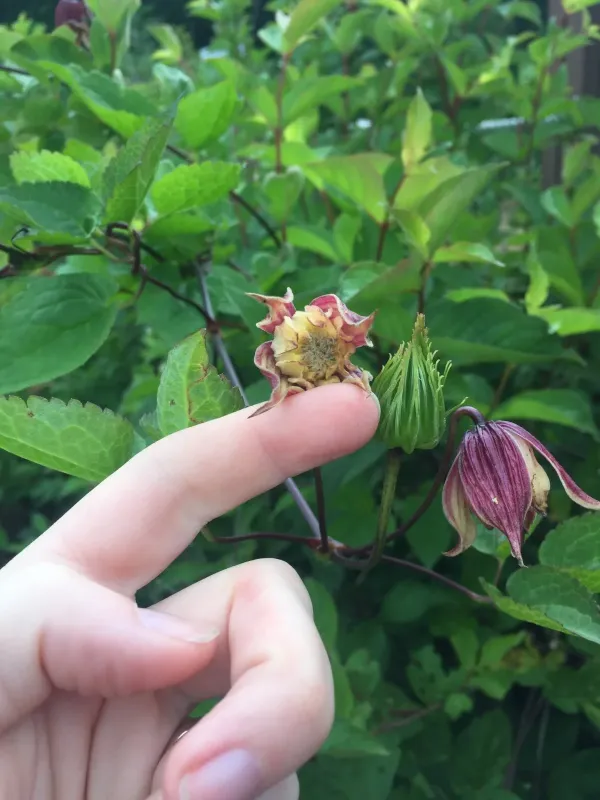
Description
Sowing dates
Sowing seeds of Korean clematis is best performed in late autumn for outdoor wintering or in containers to ensure the seeds undergo necessary cold stratification. A natural chilling period of 2–3 months is a critical factor for successful germination in spring.
When using a nursery method, seeds are sown in a nutrient-rich substrate in late winter, maintaining a temperature of approximately 20 degrees Celsius for initial swelling. Subsequently, the containers are placed in a cool location to stimulate embryos through low temperatures.
It is essential to use a loose, well-draining soil mixture based on peat and sand. The planting depth for seeds should not exceed 1–1.5 cm to ensure that weak seedlings can easily emerge through the soil layer.
Spring transplantation of young seedlings into the open ground is conducted after the danger of late frosts has passed. Korean clematis prefers well-lit areas, although the root zone requires mandatory shading to retain moisture.
The spacing between plants should be at least 1–1.5 meters, as the vine possesses high growth energy and requires sufficient space for the root system to develop properly.
Growing requirements
Korean clematis is a deciduous woody vine belonging to the Ranunculaceae family, native to regions of the Far East, the Korean Peninsula, and Northern China. In its natural habitat, the plant grows in light forests and on rocky slopes.
The culture has moderate soil requirements, preferring fertile, loamy, or sandy soils with a neutral to slightly alkaline reaction. Waterlogging is detrimental to this species, making good drainage an absolute prerequisite for healthy growth.
The plant shows good winter hardiness in temperate climates, although young specimens in their first years of life require light protection for the root zone using mulch or evergreen branches.
For normal development, the vine requires a vertical support, which the plant climbs using leaf petioles. Lack of support leads to suppressed growth and a significant decrease in the plant's decorative appeal.
The cultivation technique includes regular feeding with complex mineral fertilizers during the growing season and moderate watering. During hot spells, it is crucial to prevent soil overheating by using mulch, such as bark, or low-growing companion plants.
Main diseases and pests
The most dangerous disease for Korean clematis is wilt, an infectious condition caused by fungi of the genus Fusarium or Coniothyrium. It manifests as the sudden drooping of shoots and requires immediate removal of the damaged plant parts.
Under conditions of high humidity and poor air circulation, the plant may be affected by powdery mildew. Preventive treatments with copper-based fungicides or sulfur-containing preparations are effective in curbing the spread of fungal spores.
Among pests, aphids and spider mites cause the most damage by sucking juices from young leaves and shoots. Regular inspection of the undersides of leaves allows for early problem detection and the application of biological insecticides.
Slugs and snails can damage young clematis shoots during the early spring. To protect the plants, it is recommended to use barriers made of wood ash or specific granulated preparations around the base of the vine.
Nematodes pose a serious threat to the root system. If an infestation occurs, the soil must be treated with specific nematicides, and heavily affected specimens should be destroyed to prevent the pest from spreading across the area.