
Clematis integrifolia
Clematis integrifolia L.
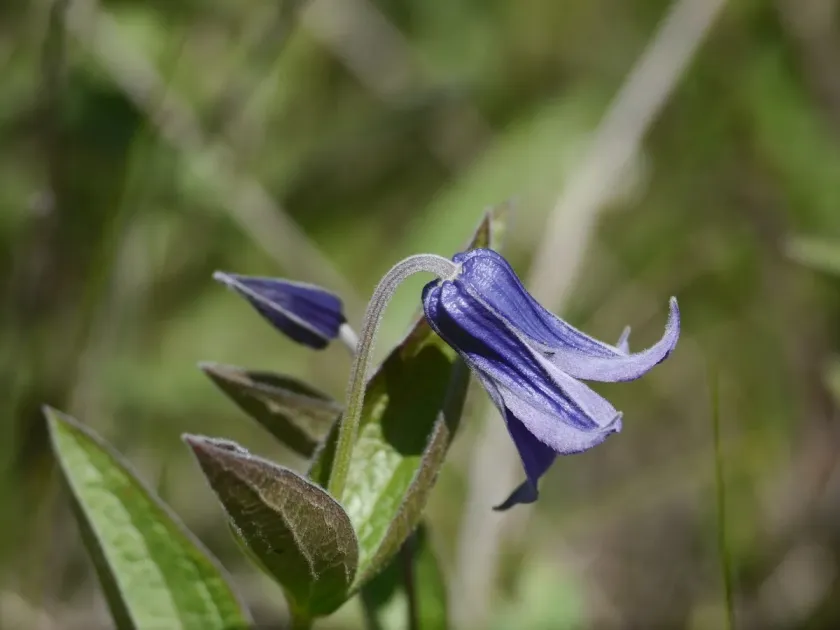
Description
Sowing dates
Seeds of Clematis integrifolia are typically sown in late autumn to benefit from cold stratification during the winter months, which is essential for uniform germination.
For spring sowing, seeds must undergo artificial stratification in a refrigerator at temperatures between 2 and 5 degrees Celsius for approximately two months before planting.
Propagation by division is best performed in early spring or early autumn, ensuring that each new section has a robust root system and several viable growth buds.
Cuttings should be taken in early summer from semi-ripe wood; they are then planted in a humid, well-ventilated medium to encourage rapid root development.
When sowing in containers, use a sterile, well-draining potting mix to prevent damping-off disease, which is a common threat to young seedlings.
Growing requirements
Clematis integrifolia is a unique herbaceous perennial from the Ranunculaceae family, characterized by its non-climbing, bushy growth habit and bell-shaped flowers.
The plant thrives in full sun but appreciates some light shade during the hottest part of the day, especially in southern regions with intense summer heat.
Soil quality is paramount; it requires deep, fertile, and moisture-retentive soil with a neutral pH, coupled with excellent drainage to prevent root rot.
Consistent watering is required throughout the growing season to support the plant's lush foliage and abundant flower production during the summer months.
Mulching the root zone is highly recommended to maintain soil temperature stability and suppress weed growth, which competes with the plant for nutrients.
Main diseases and pests
The most devastating threat to Clematis integrifolia is clematis wilt, a fungal disease that can cause sudden collapse of stems and requires immediate removal of affected parts.
Powdery mildew is a frequent issue in humid climates with poor air circulation, necessitating regular inspections and appropriate fungicidal treatments if symptoms appear.
Aphids and spider mites are common pests that target the soft tissue of new shoots, potentially spreading viral diseases and causing aesthetic damage to the foliage.
Root-knot nematodes can cause severe damage by invading the root system, leading to stunted growth and yellowing of the leaves due to impaired nutrient uptake.
Integrated pest management, including regular sanitation and the use of resistant varieties, is the most effective strategy for maintaining a healthy garden display.
Harvesting
Seed harvesting should be performed once the seed heads have fully matured and turned brown, allowing for easy collection and proper drying before storage.
Late autumn pruning involves cutting back the entire herbaceous top growth to the ground level, which helps the plant enter dormancy and prevents disease carryover.
All cut material must be carefully cleared from the planting site and destroyed to prevent the survival of pathogens or insect eggs throughout the winter season.
For floral arrangements, stems should be harvested when the flowers are about halfway open to ensure the best vase life and color retention.
Storing collected seeds requires cool, dry, and dark conditions to maintain viability until the following season's planting period arrives.