
Clematis heracleifolia
Clematis heracleifolia DC.
Description
Sowing dates
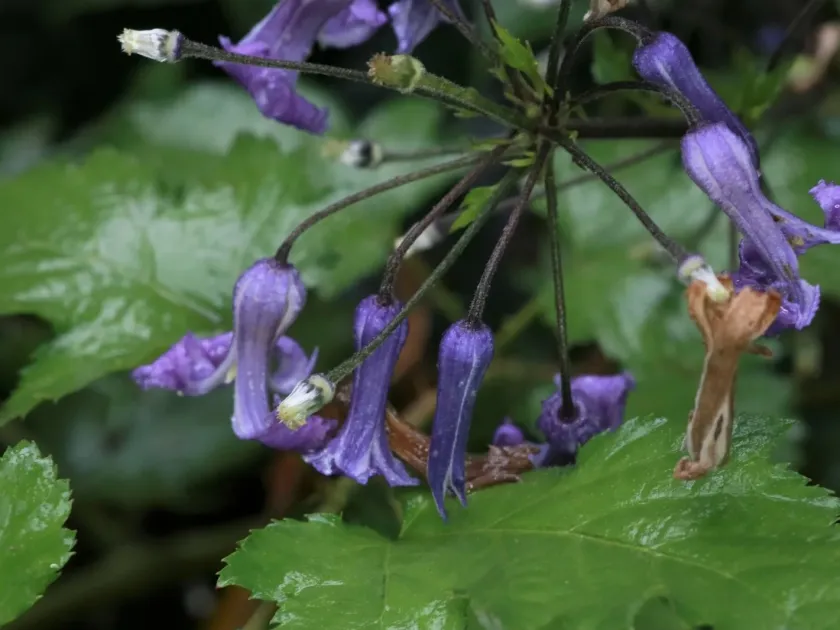
Clematis heracleifolia, belonging to the Ranunculaceae family, is a distinct herbaceous perennial known for its bush-like growth habit rather than the traditional climbing form of other clematis species. It produces sturdy, upright stems with large, coarse leaves that resemble those of the hogweed genus.
Propagation is primarily achieved through seeds or vegetative division. When growing from seeds, they require a cold stratification period to break dormancy, making fall sowing in pots outdoors an ideal strategy for successful germination in spring.
For vegetative propagation, dividing mature clumps in early spring is highly effective. The root ball should be carefully separated, ensuring that each new section retains a healthy portion of the root system and several viable growth buds.
Planting locations should be selected carefully; the plant thrives in full sun to partial shade. In regions with intense afternoon heat, a spot providing shelter during the warmest part of the day is preferred to prevent leaf scorch.
When preparing the planting site, ensure the soil is deeply loosened. Clematis heracleifolia performs best when planted with its crown slightly below the soil surface to encourage the development of vigorous lateral shoots.
Growing requirements
This species demands well-drained, fertile soil with a neutral to slightly alkaline pH. If the soil is heavy or clay-based, it is essential to incorporate organic matter and grit to ensure efficient drainage and prevent root rot.
Irrigation must be consistent, especially during the establishment phase. While the plant is somewhat drought-tolerant once mature, regular watering during hot, dry spells ensures longer and more abundant blooming periods throughout the season.
Fertilization should be balanced. A slow-release organic fertilizer applied in early spring provides a steady nutrient supply. During the peak of the growth season, a liquid supplement high in phosphorus can significantly enhance the quantity and size of the flowers.
Pruning is critical for this species. Since it blooms on the current season's growth, the entire structure should be cut back to just a few inches above the soil line in late autumn or early spring to refresh the plant.
Winter protection involves mulching the base with straw or wood chips. While generally hardy, providing a protective layer helps to regulate soil temperature and protects the root system from the damaging effects of freeze-thaw cycles.
Main diseases and pests
Fungal diseases are the primary challenge for this plant, with wilt being the most significant threat. It causes sudden collapse of stems; infected parts should be pruned immediately and removed from the garden to prevent further spread.
Powdery mildew can affect the foliage during periods of high humidity and poor air circulation. Increasing the spacing between plants and applying appropriate fungicides can manage and mitigate this cosmetic and structural problem.
Aphids often target the tender new growth and developing flower buds. While minor infestations can be washed off with a strong stream of water, heavier populations may require the use of insecticidal soap or neem oil for effective control.
Spider mites are common in hot, dry summers and can cause leaves to look speckled and pale. Monitoring the undersides of the leaves and maintaining adequate humidity levels in the planting bed can help keep these pests at bay.
Root rot, often caused by overwatering or poor soil structure, is a silent killer for Clematis heracleifolia. Ensuring proper drainage is the most effective preventative measure against this physiological and pathological threat.