
Forster's clematis
Clematis forsteri J. F. Gmel.
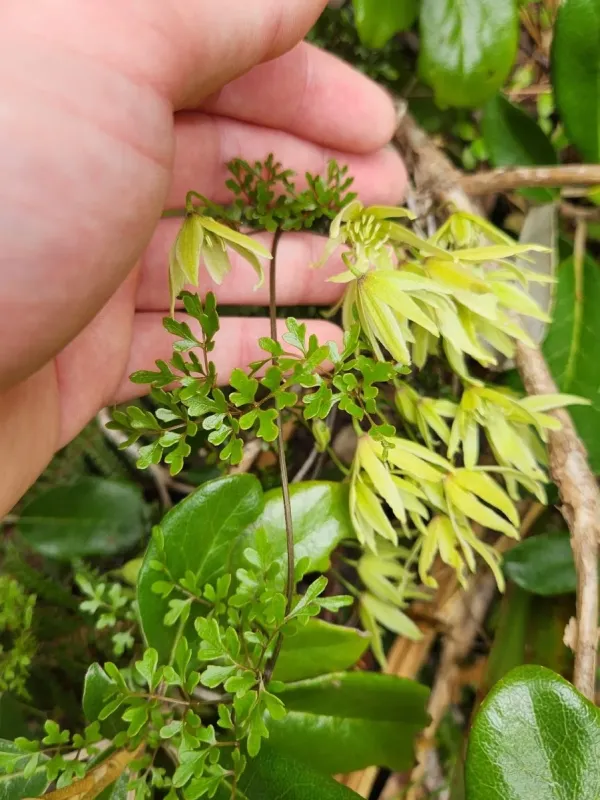
Description
Growing requirements
Forster's clematis (Clematis forsteri) is a perennial evergreen climbing shrub belonging to the Ranunculaceae family. Native to New Zealand, this species is highly valued for its vigorous growth and ability to thrive in diverse sheltered microclimates.
The crop requires fertile, well-drained soils with a balanced nutrient profile. Ideal soil conditions include a neutral to slightly acidic pH level, which ensures optimal uptake of essential minerals and supports steady root development.
Climatic requirements focus on temperate conditions with sufficient rainfall throughout the growing season. The plant performs best in locations that offer dappled shade or protection from intense, direct midday sun to prevent leaf scorching.
Standard agronomic practices include the installation of robust support systems such as trellises or wires. Proper structural support is essential for the healthy development of the vine and ensures sufficient light penetration for the foliage.
Consistent irrigation management is crucial for this species, especially during the establishment phase. While the plant can tolerate short dry spells once established, sustained moisture levels improve overall plant vigor and flowering quality.
Main diseases and pests
Fungal pathogens represent the most significant threat to this crop, with Clematis wilt being particularly devastating. This disease often strikes suddenly, causing entire sections of the plant to collapse and wither.
Powdery mildew is a common foliage issue, especially in environments with high humidity and stagnant air. Management involves keeping the base of the plant clean and applying preventative fungicide sprays when conditions are favorable for disease spread.
Aphids are frequent pests that congregate on the succulent tips of new growth. These insects can cause stunted development and transmit viral diseases if not controlled through targeted interventions or biological predators.
Spider mites represent a persistent challenge during hot and dry periods. They pierce plant cells to feed, causing fine yellow stippling on leaves, which may eventually lead to premature leaf drop if infestation levels are high.
Root rot caused by Phytophthora or Pythium species is a common result of poor soil aeration. Implementing strict drainage protocols and avoiding soil compaction are the most effective ways to mitigate these risks in horticultural settings.