
Clematis florida integrifolia
Clematis florida Thunb. x Clematis integrifolia L.
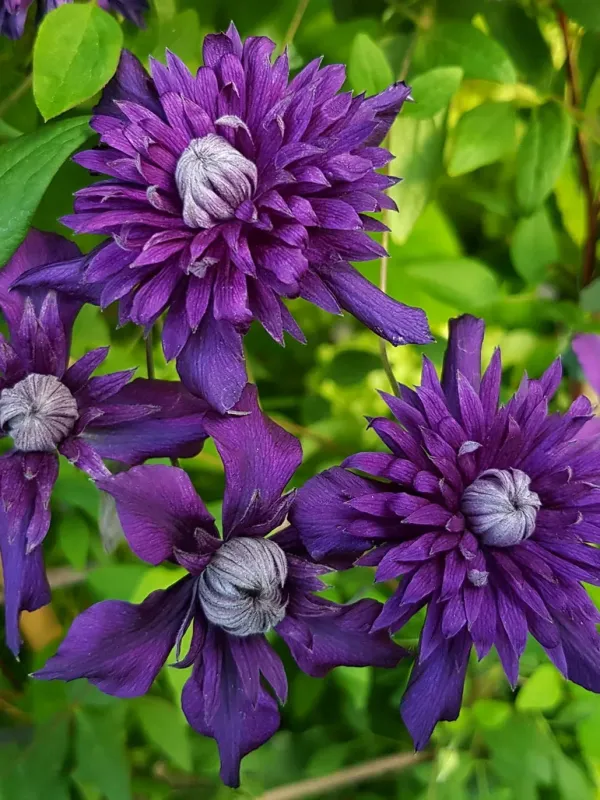
Description
Growing requirements
Clematis florida integrifolia is a hybrid cultivar belonging to the Ranunculaceae family, valued for its unique combination of aesthetic and structural traits. As a member of the diverse Clematis genus, it requires specific growing conditions to reach its full flowering potential in domestic garden settings.
This crop thrives in positions where the foliage receives ample sunlight, but the root base remains cool and shaded. Planting small herbaceous perennials at the base of the Clematis effectively mimics its natural habit, shielding the root system from excessive heat and maintaining consistent soil moisture levels.
The ideal soil profile is a fertile, well-draining loam with a neutral to slightly alkaline pH. Proper aeration is crucial; therefore, if the site consists of heavy clay, amendments such as compost, leaf mold, and horticultural grit must be integrated to facilitate drainage and prevent long-term waterlogging.
Climatic requirements involve protection from severe, drying winds which can damage delicate stems and dry out the foliage prematurely. While these plants are resilient, providing a sheltered location or an artificial trellis helps to withstand fluctuating spring temperatures and improves the overall plant vigor.
Maintenance involves precise pruning schedules to ensure sustained blooming. Since this hybrid shares traits with integrifolia species, it is often best managed by light pruning after the first flush of flowers to encourage a second cycle of growth and potential repeat blooming throughout the summer months.
Main diseases and pests
Clematis wilt, caused by soil-borne fungi, remains the most significant threat to the plant's health. The rapid collapse of stems often requires immediate pruning of affected areas and the application of systemic fungicides to prevent the spread of the pathogen through the vascular system of the vine.
Powdery mildew is a frequent issue in late summer, particularly when nights are cool and humidity is high. To mitigate the risk, ensure adequate spacing between plants to promote airflow, which significantly reduces the probability of fungal spore germination on the leaf surfaces during the growing season.
Aphids are common pests that colonize new growth and flower buds, weakening the plant and sometimes transmitting viruses. Integrated pest management, including the use of neem oil or soft soap sprays, is recommended to manage populations without harming the beneficial insects present in the garden.
Root-knot nematodes can severely inhibit plant growth by causing root galls. Prevention is the best strategy, which involves ensuring that the nursery stock is healthy and the planting site is cleared of debris and previously infested plant material prior to introducing the new Clematis specimen.
Garden slugs and snails can be particularly damaging to emerging spring shoots. The use of copper tape, organic bait stations, or simply keeping the surrounding mulch tidy can help to deter these mollusks and prevent them from consuming the developing foliage during the early stages of plant growth.