
Clematis courtoisii
Clematis courtoisii Hand.-Mazz.
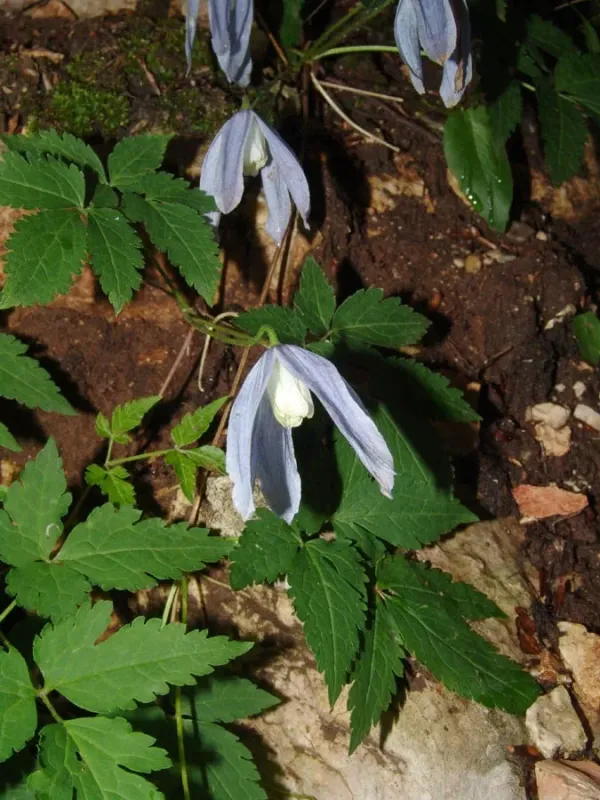
Description
Growing requirements
Clematis courtoisii is a rare member of the Ranunculaceae family. Native to the mountain forest regions of China, this woody perennial vine is highly valued in botanical collections for its elegant foliage and climbing habit, which allows it to cover vertical surfaces with natural grace.
The plant thrives in environments with partial shade or filtered sunlight, shielded from harsh winds. While it is adaptable, it requires a stable climate to reach its full potential. In colder regions, providing adequate winter protection for the root zone is crucial to ensure the survival of the plant during dormant months.
Soil requirements for this species are specific: it demands fertile, well-draining loamy soil with a neutral to slightly alkaline pH. Drainage is paramount, as the roots are susceptible to rotting if exposed to stagnant moisture. Incorporating organic matter into the soil profile helps maintain necessary fertility.
Agronomic management involves consistent and careful watering, particularly during the active growth phase and drought periods. Mulching the base of the plant is an essential technique to regulate soil temperature and prevent moisture loss, mimicking the cool forest floor conditions of its native habitat.
The primary use of Clematis courtoisii is ornamental landscaping. Its ability to scale trellises, arbors, and pergolas makes it an excellent choice for vertical gardening. It is frequently employed by landscape designers to provide structural interest and lush vegetation in garden environments that require refined aesthetics.
Main diseases and pests
The main phytopathological threats to Clematis courtoisii include fungal diseases, most notably wilt and powdery mildew. Wilt can be devastating, as it attacks the vascular system, leading to the rapid collapse of vines. Early detection of leaf wilting is critical for preventing the spread of the pathogen.
Prevention strategies involve regular pruning of diseased parts and ensuring good airflow within the plant canopy. Fungicide applications should be used as a preventative measure during periods of high humidity, which favor the development of fungal spores. Sanitation of the garden area is essential to reduce inoculum.
Common pests that target this vine include aphids, spider mites, and nematodes. These pests undermine the plant's health by sap-sucking, which leads to stunted growth and reduced vigor. Heavy infestations can lead to leaf yellowing and premature dropping, significantly reducing the ornamental value of the plant.
Pest management should focus on integrated approaches, utilizing biological controls or targeted insecticides when populations exceed damage thresholds. Frequent inspection of the underside of leaves allows for early intervention, making the control process more efficient and reducing the need for intensive chemical use.
Maintaining overall plant vigor through balanced fertilization is a key component in defense against pests and diseases. Providing sufficient potassium and phosphorus ensures strong cellular walls, helping the plant resist biotic stress and recover more quickly from potential damage caused by external factors.