
Geraldton wax
Chamelaucium uncinatum x forestii
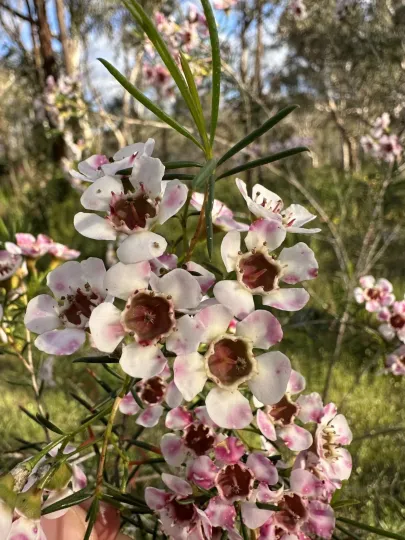
Description
Growing requirements
Geraldton wax (Chamelaucium uncinatum x forestii) is a perennial shrub from the Myrtaceae family, native to the sandy plains of Western Australia.
The crop thrives in Mediterranean-type climates, requiring long periods of intense sunshine and moderate temperatures throughout the growing season.
Soil requirements are strict, necessitating well-drained, sandy loam substrates with low phosphorus levels to avoid toxicity and root distress.
Agrotechnical management involves regular pruning to produce long, straight stems suitable for the high-end floriculture market.
Watering must be carefully regulated to maintain soil moisture without creating waterlogged conditions, which lead to rapid plant mortality.
Main diseases and pests
Root rot, particularly caused by Phytophthora species, is the primary disease challenge when cultivating this species under irrigation.
Fungal issues like Botrytis cinerea can affect flowers if air circulation is poor or humidity levels remain consistently high in greenhouses.
Pest management focuses on controlling aphids and spider mites, which can significantly damage young buds and reduce yield quality.
Integrated pest management (IPM) strategies, including biological control, are preferred to minimize chemical residues on cut stems.
Sanitation practices, such as removing fallen debris and disinfecting pruning tools, are essential to minimize the risk of pathogen spread.
Harvesting
Harvesting is performed manually when approximately 50-70% of the individual florets on a stem are open, ensuring optimal vase life.
Post-harvest handling involves placing stems into clean, acidified water to prevent vascular blockage caused by bacterial growth.
Stems are bundled, sleeved, and stored in cold storage rooms to preserve their fresh condition during transit to international markets.
Regular harvesting cycles are essential to maintain crop vigor and prevent the accumulation of old, woody growth on the plants.
Quality grading is based on stem length, uniformity of color, and the absence of insect damage or fungal blemishes.