
Wilson's Plum Yew
Cephalotaxus wilsoniana
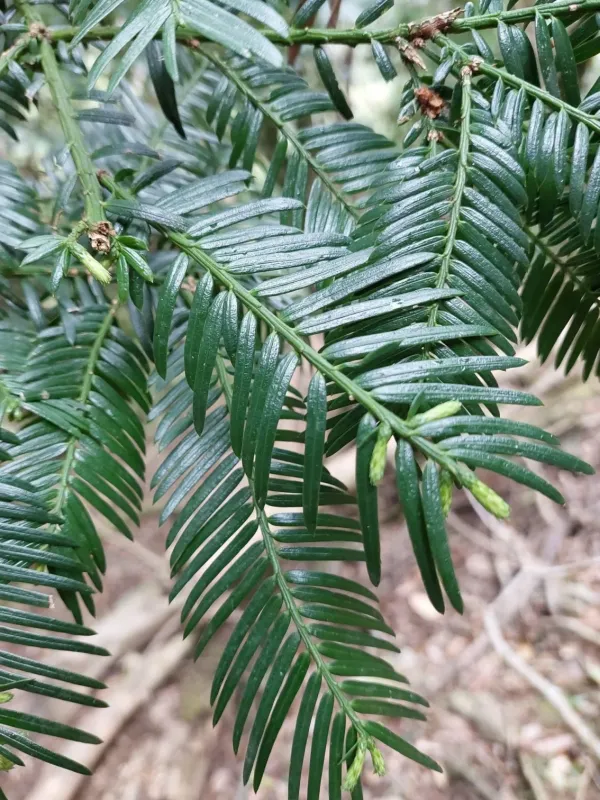
Description
Growing requirements
Wilson's Plum Yew (Cephalotaxus wilsoniana) is a unique evergreen coniferous species belonging to the Cephalotaxaceae family. Native to the mountainous forests of Taiwan, it is highly valued for its elegant, graceful appearance and adaptability to shaded environments.
The plant thrives in subtropical climates with high atmospheric humidity. It is moderately frost-hardy, but younger plants require protection against extreme cold and desiccating winds during their first few years of establishment.
Soil requirements include well-draining, fertile loamy or sandy soil with a neutral to slightly acidic pH. Waterlogging is detrimental to this species; therefore, site selection must prioritize areas with excellent natural drainage to prevent root rot.
This species is exceptionally shade-tolerant, making it a perfect choice for understory planting in woodland gardens. While it can survive in deep shade, it develops a denser and more symmetrical canopy when provided with dappled sunlight.
Agrotechnical care involves consistent moisture management, particularly during dry seasons, and the application of organic mulch around the base to conserve soil moisture. Annual feeding with a balanced, slow-release fertilizer in early spring supports vigorous growth.
Yield
The primary use of Cephalotaxus wilsoniana is ornamental. It is widely used in landscape design to create beautiful hedges, foundation plantings, and specimen trees due to its soft, dark-green needles and architectural habit.
Historically, the wood of the Plum Yew family is known for its durability and resistance to decay. Although not widely used in large-scale commercial logging due to the tree's slow growth rate, it remains a high-quality material for specialty woodworking.
Significant research is currently focused on the pharmaceutical potential of this plant. The leaves and bark contain specific alkaloids, such as harringtonine, which have demonstrated potent anti-tumor properties in various medical trials.
Propagation is commonly achieved through vegetative cuttings, which ensures the consistency of desired morphological traits. Seeds can also be used, though they require a lengthy period of cold stratification to overcome deep dormancy.
In nursery production, focusing on container-grown stock provides the best control over soil health and environmental conditions, ensuring that plants are well-rooted before being transplanted into their permanent landscape positions.
Main diseases and pests
Wilson's Plum Yew is relatively resistant to most common coniferous pests. However, poor drainage or excessive humidity can lead to Phytophthora root rot, which is a major threat to the plant's overall vitality and health.
Integrated pest management should include regular inspection for spider mites, which can become an issue in low-humidity environments. If infestation occurs, washing the foliage or using horticultural oils is often sufficient to control the population.
Fungal leaf spots can sometimes affect the plant in overly dense or poorly ventilated areas. Pruning to maintain airflow within the canopy is a critical preventive measure that helps minimize the risk of pathogen accumulation.
Winter desiccation is a physiological threat, particularly in regions where the ground freezes while the sun is still strong. Providing shade cloths or protective wraps during the late winter months significantly reduces the incidence of needle burn.
Small mammals, including rabbits and rodents, may cause physical damage to the bark of young stems during winter. Physical barriers such as wire guards or repellent sprays are effective methods to mitigate these risks in vulnerable locations.