
Chinese plum yew
Cephalotaxus fortunei
Description
Growing requirements
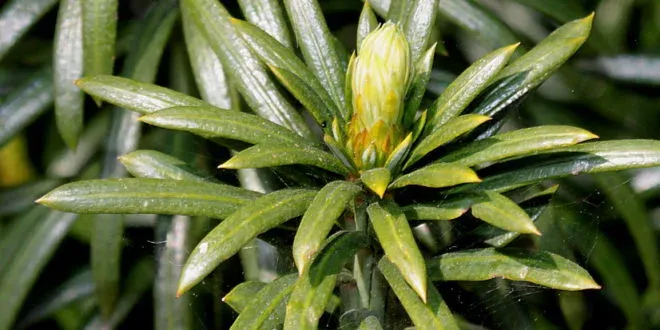
The Chinese plum yew (Cephalotaxus fortunei) is an evergreen coniferous species belonging to the Cephalotaxaceae family. It typically grows as a large shrub or a small tree, reaching heights of up to 10–15 meters depending on its growth environment.
Originating from the mountain ranges of China, this species thrives in humid temperate and subtropical conditions. It is widely recognized in horticulture for its remarkable shade tolerance and long, dark green needles that provide a distinct aesthetic appeal in landscape designs.
Successful cultivation requires well-drained, fertile soil with a slightly acidic to neutral pH level. While the plant is adaptable, it strictly avoids waterlogged conditions, which can lead to rapid root degradation; therefore, adequate soil aeration is crucial for health.
The climate requirements involve protecting the plant from extreme frost, especially during its juvenile stage. Once established, it develops moderate cold hardiness, although applying organic mulch around the root zone remains a best practice to ensure winter stability.
Economically, this species is highly valued for ornamental gardening as a specimen plant or hedge. Furthermore, it has gained attention in the pharmaceutical sector due to the presence of specific alkaloids in its tissues, which are subject to ongoing biochemical research.
Main diseases and pests
The primary threats to this conifer involve fungal infections, such as root rot and needle cast, which are often exacerbated by poor drainage and excessive humidity. Providing sufficient airflow and preventing water stagnation are the best cultural methods for disease control.
Pest management focuses on monitoring for spider mites and scale insects that may attack the foliage. Early intervention using horticultural oils or systemic insecticides is generally effective in maintaining the health and decorative quality of the plant throughout the growing season.