
Chinese plum yew
Cephalotaxus sinensis
Description
Growing requirements
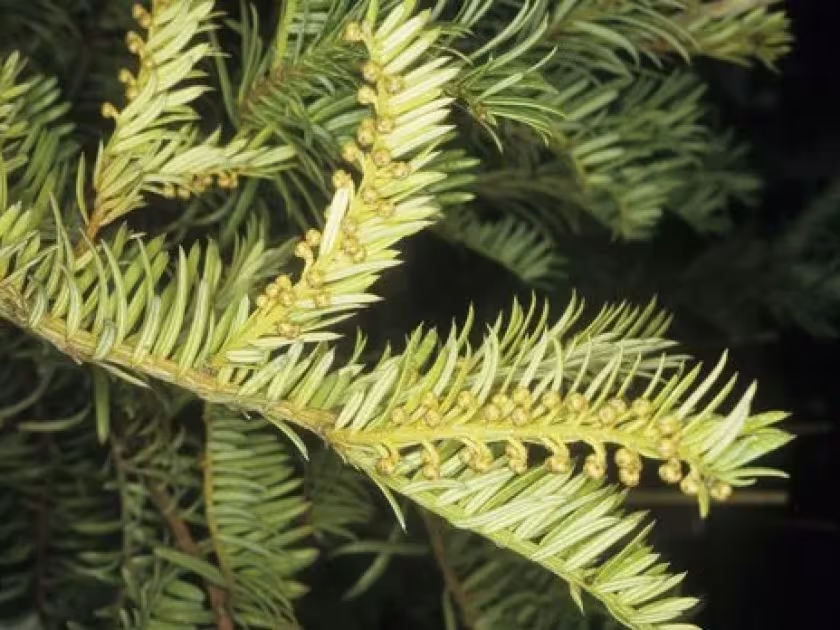
The Chinese plum yew (Cephalotaxus sinensis) is an evergreen coniferous species belonging to the Cephalotaxaceae family. Originating from the mountain forests of China, this plant serves as both an aesthetic and botanical asset in specific climate zones.
The cultivation requirements focus on rich, well-draining soil with consistent moisture levels. It is essential to ensure that the planting site has an effective drainage system, as the species is highly sensitive to waterlogged conditions which often lead to root decay.
As a shade-tolerant plant, the Chinese plum yew thrives in protected areas. While it can tolerate filtered sunlight, it is best to shield young specimens from direct, intense afternoon rays, which may scorch the delicate foliage during the establishment phase.
Climatic adaptability is moderate; the plant prefers a temperate environment and requires protection against harsh, drying winds. During the winter, providing mulch around the base helps stabilize soil temperature and protect the shallow root system.
The growth rate of the species is notoriously slow, requiring long-term maintenance planning. Botanically, it is dioecious, meaning male and female cones grow on separate individuals, which is a crucial detail for those interested in seed production.
Main diseases and pests
Root rot remains the most significant threat to Cephalotaxus sinensis. This is primarily an agronomic management issue related to overwatering and poor soil aeration, which can be mitigated by careful site selection and proper watering schedules.
Needle blight caused by various fungal pathogens can occur when humidity levels are consistently high and airflow is restricted. Implementing proper spacing and thinning out dense foliage helps to maintain a healthy microclimate around the plant.
Pests such as scale insects can weaken the plant by feeding on the sap of young branches. Regular monitoring and the application of horticultural oils or systemic insecticides can prevent significant damage during the growing season.
Spider mites are common in dry, hot weather and can cause the foliage to lose its vibrant green color. Ensuring adequate humidity around the crown and periodic inspection of the underside of the needles are recommended practices.
- Monitor soil moisture levels frequently.
- Improve air circulation to prevent fungal growth.
- Use horticultural oil for early pest management.
- Apply mulch to protect roots during extreme temperatures.