
Plum Yew
Cephalotaxus harringtonia
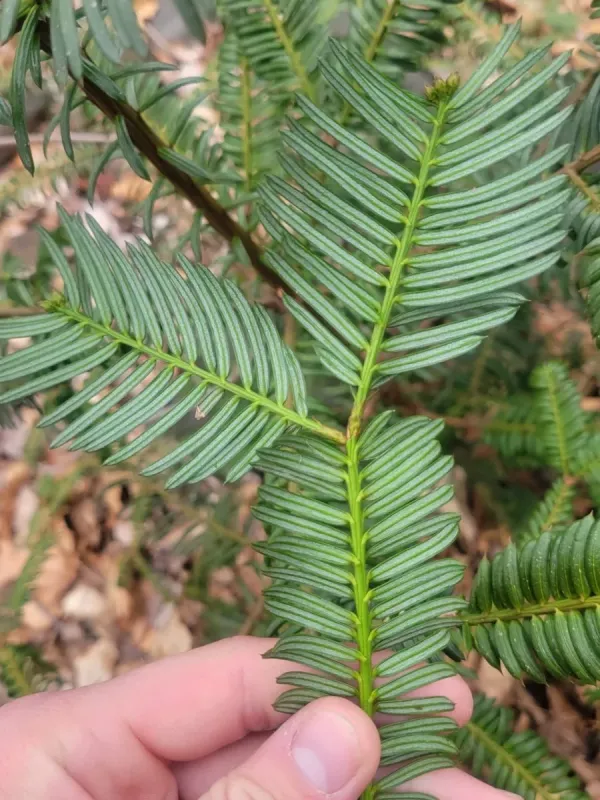
Description
Growing requirements
The Plum Yew (Cephalotaxus harringtonia) is a long-lived evergreen conifer belonging to the Cephalotaxaceae family. Native to the mountainous regions of Japan, China, and Korea, it serves as a robust understory plant in its natural forest habitats.
The plant thrives in fertile, well-drained loamy soils. One of its most notable characteristics is its high tolerance for deep shade, making it an excellent candidate for planting in areas where most other coniferous species would struggle to survive.
Regarding climate, this species prefers regions with mild winters and high atmospheric humidity. While it is hardy in many temperate zones, it benefits significantly from protection against drying winter winds, which can cause foliage desiccation during dormant periods.
Agricultural management involves routine watering during establishment and throughout periods of drought. Maintaining a layer of organic mulch around the root zone helps regulate soil temperature and ensures the consistent moisture levels that the plant requires.
The plant is highly regarded for its aesthetic value in landscape design, often utilized as a hedge or a specimen shrub. Furthermore, it is of scientific interest due to the presence of harringtonine, a compound extracted for pharmaceutical research purposes.
Main diseases and pests
Phytophthora root rot is the primary pathogen threat for this species, especially in poorly drained soils where water stagnation occurs. Improving soil structure and avoiding deep planting are essential preventative measures for long-term health.
Pests such as scale insects may occasionally infest the foliage, leading to yellowing and stunted growth. Integrated pest management, including regular inspection and the use of horticultural oils, is the most effective approach to control these common insect threats.