
Hainan plum yew
Cephalotaxus hainanensis
Description
Growing requirements
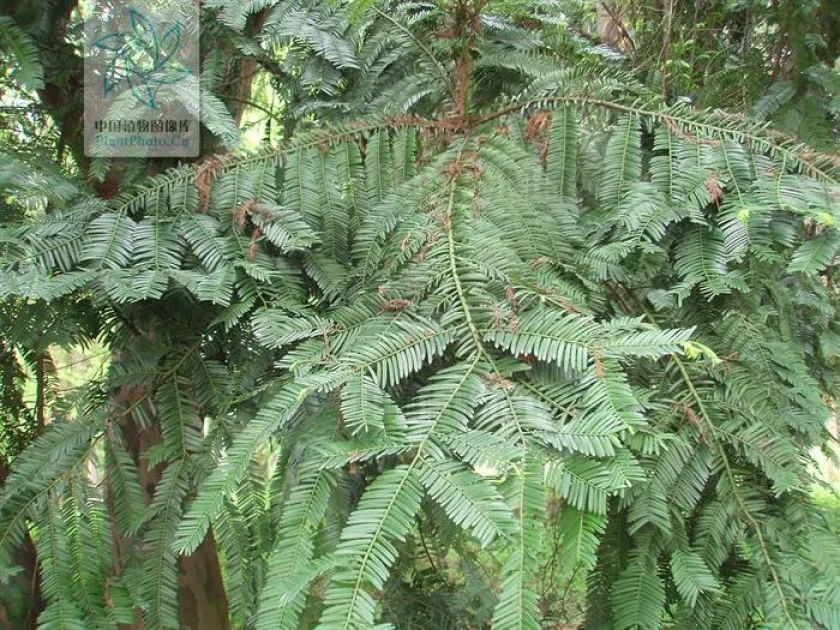
Hainan plum yew (Cephalotaxus hainanensis) is an evergreen coniferous tree belonging to the Cephalotaxaceae family. In its native habitat, it can reach heights of up to 20 meters, featuring a dense canopy and long, flat, dark green needles arranged in two distinct rows.
The species is endemic to subtropical forests in southern China and Hainan Island. It naturally thrives in humid, shady mountain valleys and ravines, where the dense canopy creates a unique microclimate with minimal fluctuations in temperature and light.
For successful cultivation, Hainan plum yew requires well-drained, fertile, and slightly acidic soil. The species is highly sensitive to soil compaction and waterlogging, making proper drainage systems essential for healthy root development.
Climatic requirements focus on high atmospheric humidity and protection from harsh winters. As a subtropical species, it does not tolerate deep frost and prefers regions where the temperature remains mild throughout the growing season.
The propagation of this culture is typically achieved through cuttings or seeds, though the growth rate is characteristically slow. Providing partial shade for young plants is crucial to prevent foliage scorch during the summer months.
Main diseases and pests
Fungal pathogens represent the most significant threat to Hainan plum yew, particularly root rot caused by poor soil drainage. These infections can be difficult to manage once the root system has been compromised.
Common pests include spider mites and scale insects, which thrive in environments with low humidity and poor ventilation. These pests suck the sap from the needles, leading to chlorosis, stunted growth, and premature foliage drop.
Regular maintenance is required to prevent disease outbreaks, including cleaning the area around the trees and applying preventive fungicide treatments. Proper airflow within the canopy is vital to inhibit mold development.
Nutrient deficiency or over-fertilization can weaken the tree's natural resistance to pests. A balanced approach to soil fertilization, tailored to the specific needs of conifers, is necessary for long-term health.
Monitoring for pest activity is essential during the spring and summer seasons. Early detection allows for the effective use of organic or systemic pesticides, minimizing damage to the plant's evergreen foliage.