
Oliver's plum yew
Cephalotaxus oliveri
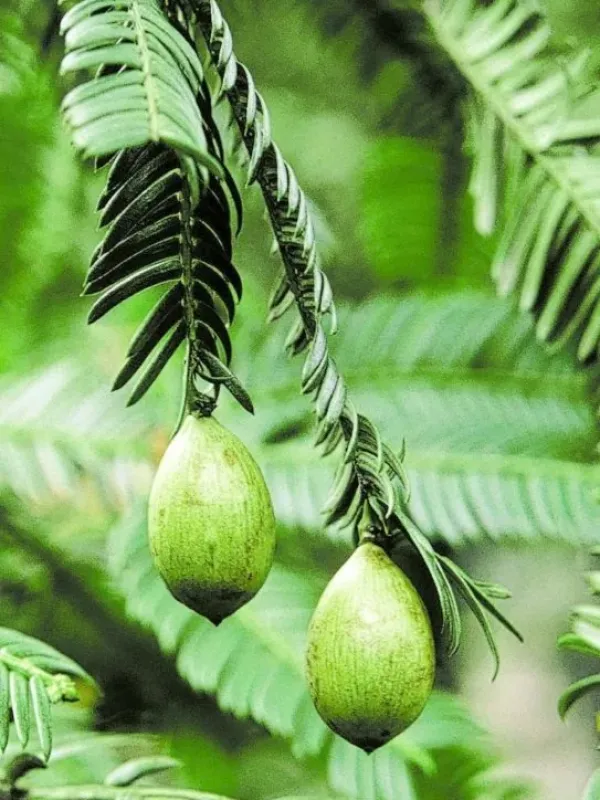
Description
Growing requirements
Oliver's plum yew is a member of the Cephalotaxaceae family. Native to the mountainous forests of China, this evergreen conifer is highly regarded for its elegant, spreading habit and slow growth rate, making it an excellent candidate for shaded garden areas.
The species thrives in fertile, well-draining soils with a slightly acidic to neutral pH. It is essential to ensure that the soil remains moist but never waterlogged, as the root system of Cephalotaxus oliveri is particularly sensitive to stagnant water conditions.
Climate preferences for this plant involve protected sites away from harsh direct sun and drying winds. It excels in temperate conditions, mimicking the cool, humid microclimates found under the canopy of broad-leaved forest ecosystems.
Maintenance involves routine mulching with organic materials to retain soil moisture and regulate ground temperature. Supplemental irrigation is necessary during dry spells to maintain plant vigor and prevent needle scorching in young specimens.
The primary use of Oliver's plum yew is ornamental. Its distinct needle-like foliage and unique berry-like structures (arils) provide aesthetic value, fitting perfectly into woodland-style gardens, large rockeries, or as an understory shrub in sheltered landscapes.
Main diseases and pests
Root rot caused by Phytophthora species is the most significant threat to the plant's health. Proper site selection and soil aeration are the most effective preventive measures against these soil-borne pathogens.
Scale insects and spider mites can occasionally affect the foliage, particularly in environments with poor air circulation. Integrated pest management, including regular inspection and horticultural oil sprays, can mitigate these risks effectively.
Needle blight may occur in excessively humid conditions. Pruning dense branches to improve airflow within the canopy helps reduce the humidity level and prevents the establishment of fungal colonies on the foliage.
Nutrient deficiencies, specifically magnesium or iron, often manifest as foliage yellowing. Providing a balanced, slow-release fertilizer designed for conifers during the early growing season usually corrects these common symptoms.
Winter injury can occur in extreme cold, specifically to the terminal buds. Providing winter shelter or burlap wrapping for young plants in exposed locations is a standard practice to ensure survival during the first few years of establishment.