
Cephalotaxus lanceolata
Cephalotaxus lanceolata
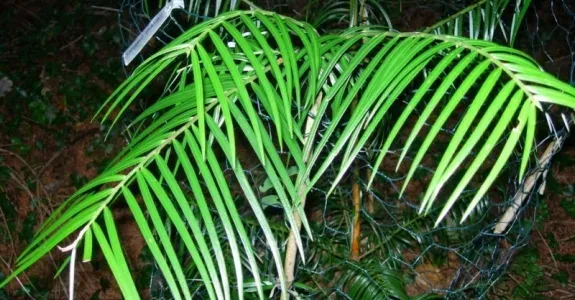
Description
Growing requirements
Cephalotaxus lanceolata is a rare coniferous tree species belonging to the family Cephalotaxaceae. Native to the mountainous regions of China, this species thrives in humid forest environments where rainfall is consistent throughout the seasons.
Botanically, it is distinguished by its long, lance-shaped, yew-like needles that provide an elegant, fern-like appearance to the branches. It is a slow-growing evergreen that can achieve a height of several meters under optimal growing conditions in its native range.
The plant requires specific climatic conditions, primarily high humidity and protection from extreme temperatures. It prefers well-drained, nutrient-rich soils and performs best in partial shade, as intense direct sunlight can scorch the delicate foliage during the summer months.
Effective agronomic management includes maintaining consistent soil moisture levels and applying organic mulch to protect the shallow root system from extreme fluctuations. In non-native environments, it is often grown in controlled landscapes where microclimates can be managed.
In terms of economic value, this plant is primarily utilized in ornamental horticulture and botanical conservation projects. Its rarity and unique aesthetic appeal make it a highly sought-after specimen for arboretums and private collectors of specialty conifers.
Main diseases and pests
The primary threats to Cephalotaxus lanceolata involve soil-borne pathogens, such as Phytophthora, which flourish in poorly drained, waterlogged substrates. Proper site selection and soil amendments are crucial to ensure long-term plant health.
Pest issues often include infestations of scale insects and spider mites, which can sap the vitality of the plant by feeding on the needles. Monitoring for signs of chlorosis or webbing is recommended as part of a routine horticultural health program for these plants.