
Red helleborine
Cephalanthera rubra
Description
Growing requirements
The red helleborine is a perennial herbaceous plant belonging to the Orchidaceae family. It is not considered an agricultural crop, as it is a highly specialized wild species that requires specific forest conditions to thrive and reproduce effectively.
This orchid typically inhabits light-demanding deciduous woodlands, particularly those with beech or oak trees. It prefers well-drained, calcareous soils that offer moderate moisture levels and good aeration, which are essential for its underground parts.
A critical biological requirement for this plant is its obligate symbiosis with specific mycorrhizal fungi. This fungal association is vital for seed germination and nutrient uptake throughout the life cycle of the orchid, precluding conventional cultivation methods.
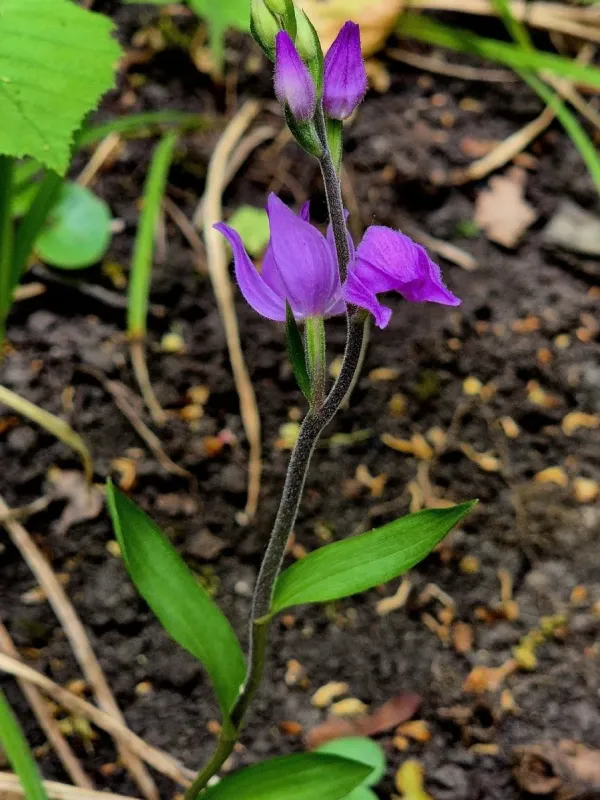
The plant grows from a rhizome that persists through the dormant winter season. During the growing season, it produces an upright stem decorated with vibrant rose-red flowers, which are highly attractive to specific insect pollinators in its native habitat.
Because of its limited ecological range and sensitivity to habitat disturbance, the species is protected in many countries. Conservation efforts focus on preserving existing forest ecosystems rather than attempting to cultivate it commercially.
Main diseases and pests
The main threats to the red helleborine include deforestation and the clearing of old-growth woodlands. Changes in light availability directly affect the plant's photosynthetic capacity and its ability to maintain its fungal symbionts.
Soil compaction caused by heavy recreational use or grazing in forest areas poses a significant risk to the plant's root system. This compaction disrupts the delicate mycelial networks in the soil that the orchid relies upon for survival.
Pests such as gastropods (slugs and snails) often feed on the developing shoots during the early spring. In moist forest conditions, these grazers can cause substantial damage to the plant before it reaches the flowering stage.
Fungal pathogens can occasionally cause root rot, especially in areas where soil drainage is impaired or climate conditions become excessively humid for extended periods. The plant has little natural resistance to severe infections.
The use of chemical fertilizers or pesticides in or near the plant's habitat is highly detrimental. Such substances alter the soil chemistry, ultimately destroying the essential mycorrhizal partners and causing the population to decline rapidly.