
White helleborine
Cephalanthera damasonium
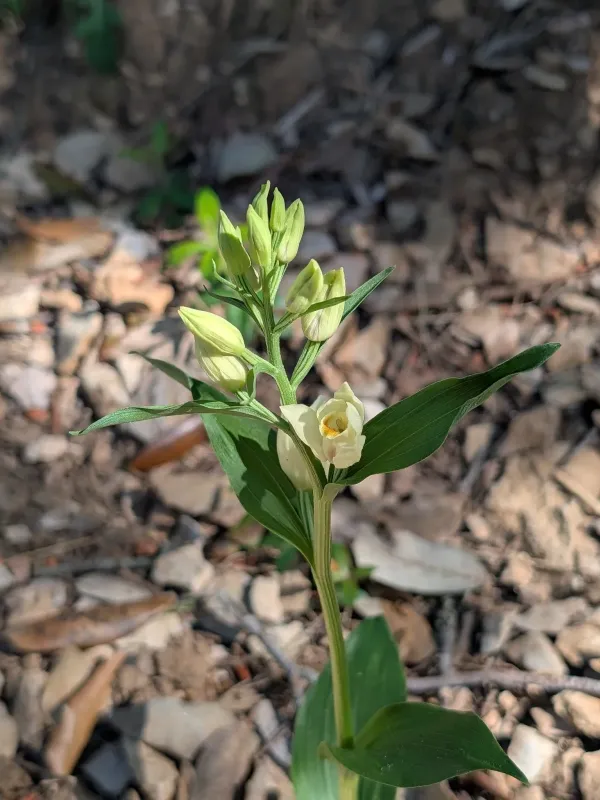
Description
Growing requirements
The White helleborine is a perennial herbaceous plant belonging to the Orchidaceae family. It is typically found in shaded forest environments, particularly in beech woodlands across Europe and parts of Asia.
This species has specific soil requirements, preferring well-drained, lime-rich substrates. It thrives in alkaline or neutral soils that are high in organic matter and leaf mould.
Light intensity plays a crucial role in the development of the plant. It prefers semi-shaded areas where it can receive filtered sunlight through the forest canopy during the early growing season.
A fundamental biological requirement for this orchid is the presence of specific mycorrhizal fungi. These fungi are essential for the germination of seeds and the overall nutrition of the plant.
Due to its complex symbiotic relationship with fungi and soil specificity, the White helleborine is not an agricultural crop. It requires strictly protected natural habitats rather than cultivated fields.
Main diseases and pests
The main threat to the survival of this species is habitat fragmentation and the loss of mature forest cover. Logging practices directly destroy the micro-habitats necessary for its growth.
Gastropods, including snails and slugs, are primary pests for the plant. They often feed on the tender shoots and floral buds, which can lead to a total loss of the annual flowering cycle.
Changes in soil composition due to agricultural runoff or forest pollution can disrupt mycorrhizal associations. Once the fungal network is damaged, the orchid population declines rapidly.
Climate change, manifesting as altered precipitation patterns, can lead to the desiccation of woodland soils. This disrupts the moisture balance required by both the orchid and its symbiotic fungi.
Human activities, such as trampling in forest areas and illegal collection by enthusiasts, contribute to the vulnerability of the species, necessitating conservation efforts across its range.