
Cephalanthera erecta
Cephalanthera erecta
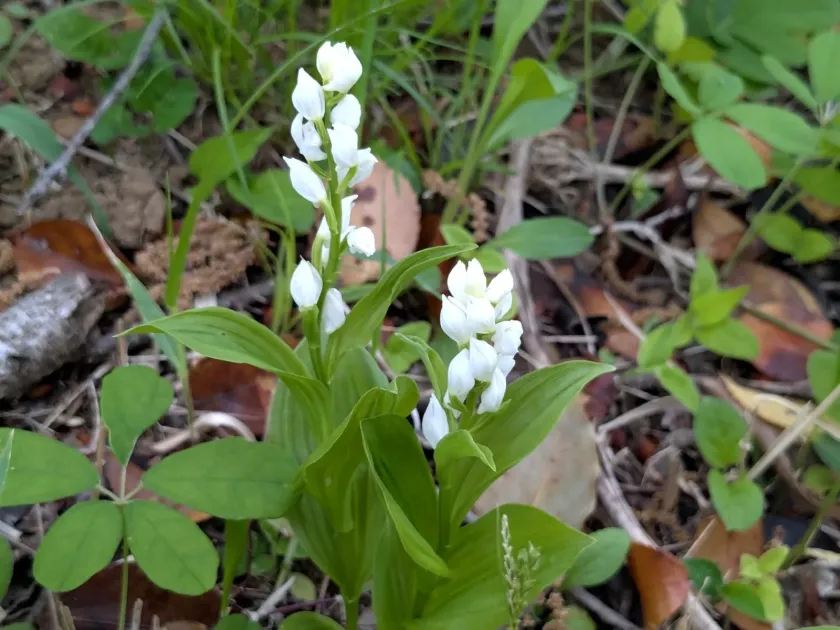
Description
Growing requirements
Cephalanthera erecta is a perennial herbaceous plant belonging to the Orchidaceae family. While not a conventional agricultural crop, it is a significant species in botanical research and specialized ornamental horticulture, known for its unique ecological requirements.
The native range of this species is confined to East Asia, specifically encompassing Japan, China, and the Korean Peninsula. It typically thrives in temperate forest zones, favoring shaded or semi-shaded areas where the canopy provides essential protection from harsh, direct sunlight.
Botanically, the plant is characterized by an erect stem, typically reaching 30 to 50 centimeters in height, adorned with alternating lanceolate leaves. The inflorescence consists of several white flowers, each displaying the delicate structure typical of the Cephalanthera genus.
Growth requirements include nutrient-rich, humus-heavy forest soils with a neutral to slightly acidic pH level. A critical biological feature is its dependence on mycorrhizal fungi, which are essential for nutrient uptake and survival in its native soil environment.
Due to these specialized symbiotic needs, cultivation is primarily limited to botanical conservatories or expert hobbyists. Success in growing this orchid depends on replicating the specific microclimate of forest floors, maintaining cool temperatures, and ensuring consistent soil moisture.
Main diseases and pests
The primary threats to Cephalanthera erecta populations include habitat loss caused by deforestation and urbanization. These activities disrupt the delicate fungal networks in the soil, which are indispensable for the orchid's long-term health and propagation.
Pests such as slugs and snails are known to pose a significant risk to the plant's vegetative parts, especially during the growth season. Additionally, fungal pathogens can infect the root system if drainage is poor or if the symbiotic balance with mycorrhizae is compromised.