
Cephalanthera cucullata
Cephalanthera cucullata
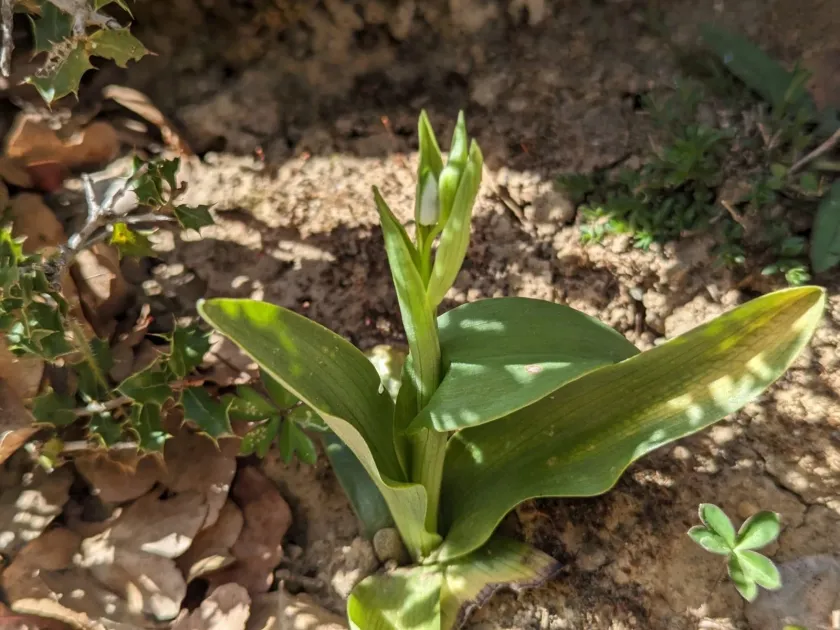
Description
Growing requirements
Cephalanthera cucullata is a perennial herbaceous plant belonging to the Orchidaceae family, known for its distinct hooded flower structure.
While not a traditional agricultural crop, it remains a subject of intense botanical study due to its status as a rare endemic species.
The plant is native to the mountain ranges of Crete, typically found in areas with limestone substrates and specific shade conditions provided by pine or cypress forests.
It thrives in stable microclimates where soil temperature and moisture levels do not experience sharp fluctuations during the growth cycle.
The symbiotic relationship with soil fungi is essential for the plant, as it dictates the nutrient uptake capacity and overall vitality of the orchid in its restricted environment.
Main diseases and pests
The primary threats to Cephalanthera cucullata include habitat fragmentation and the direct impact of changing climatic patterns in the Mediterranean region.
Human activities, particularly uncontrolled grazing in high-altitude mountain pastures, pose a significant risk to the plant's natural reproduction process.
Invasive plant species can compete with the orchid for space and limited soil nutrients, potentially crowding out existing, fragile populations.
The vulnerability to fungal pathogens increases if the natural soil composition is altered by chemicals or runoff from nearby agricultural activities.
Effective management strategies focus on habitat protection and monitoring rather than active cultivation, as the species is extremely difficult to propagate outside its niche.