
Cephalanthera falcata
Cephalanthera falcata
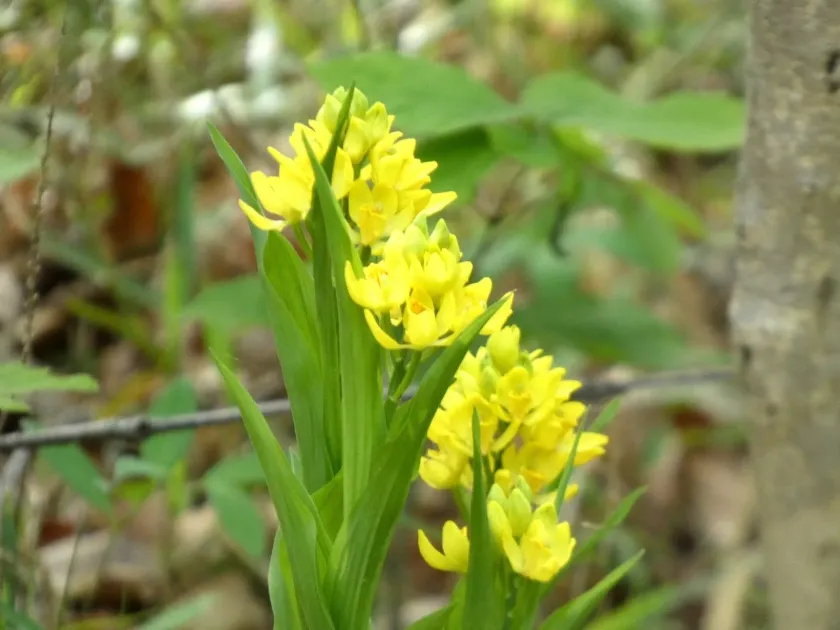
Description
Growing requirements
Cephalanthera falcata is a perennial herbaceous plant belonging to the family Orchidaceae. Native to the forests of East Asia, it is highly valued for its striking yellow flowers and unique aesthetic.
This species is strictly associated with forest environments, requiring shaded conditions and high humidity. It is highly dependent on mycorrhizal fungi for nutrient absorption, which complicates its cultivation outside of specialized nurseries.
Soil requirements include a loose, well-draining substrate rich in organic matter. Maintaining a stable microclimate is crucial, as the species is sensitive to rapid changes in temperature and humidity levels.
Botanically, it features a stem reaching 30–50 cm with curved leaves and a spike-like inflorescence. Its growth cycle is strictly tied to the seasonal rhythm of the forest understory, requiring a dormant period in winter.
While not a traditional agricultural crop, Cephalanthera falcata is of significant interest to botanical gardens and enthusiasts specializing in rare orchids. Its ornamental value is high, but its scarcity limits its commercial distribution.
Main diseases and pests
The primary threat to this species is habitat destruction, specifically the loss of mature forest cover. Deforestation directly disrupts the soil mycelium networks necessary for the orchid's survival.
In terms of pathogens, the species is susceptible to root rot caused by stagnant water. Improper irrigation or poor drainage in artificial environments often leads to rapid decay of the root system.
Pests such as slugs and snails are highly detrimental, especially to young emerging shoots. Protecting these plants requires constant monitoring and integrated pest management in greenhouse settings.
The collection of specimens from the wild poses a severe threat to remaining populations. Conservation initiatives are focused on protecting natural habitats and ensuring that the species is not harvested illegally.
Climate change is an emerging threat, potentially altering the blooming times and the activity patterns of the pollinators required for seed production. Long-term survival strategies include ex-situ conservation and seed banking.