
Cephalanthera longibracteata
Cephalanthera longibracteata
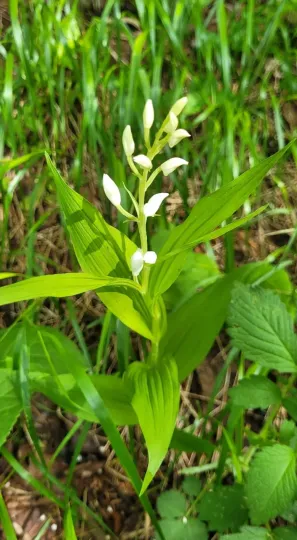
Description
Growing requirements
Cephalanthera longibracteata is a perennial herbaceous plant belonging to the Orchidaceae family. While not an agricultural commodity, it is a plant of significant biological interest, often studied for its complex ecological requirements and unique reproductive strategies.
The plant is native to East Asia, including the Russian Far East, China, Korea, and Japan. It primarily inhabits forest ecosystems, thriving in the understory where it can access diffuse light and moisture levels consistent with deciduous or mixed forest environments.
Morphologically, the plant features a straight stem reaching heights of 50 to 70 centimeters, adorned with elongated, lanceolate leaves. The species is named for its characteristically long bracts that extend beyond the ovary, distinguishing it from other members of the genus.
Ecologically, the species is strictly dependent on soil-based mycorrhizal fungi for germination and nutrient uptake. It prefers loose, humus-rich, and well-drained forest soils, which are essential for supporting its delicate root architecture in natural habitats.
Due to its ecological sensitivity and rarity, the species is protected in many jurisdictions. Cultivation is limited to research facilities or specialized botanical collections, where precise simulation of natural forest conditions is necessary to maintain the plant's health and vigor.