
Kurdish helleborine
Cephalanthera kurdica
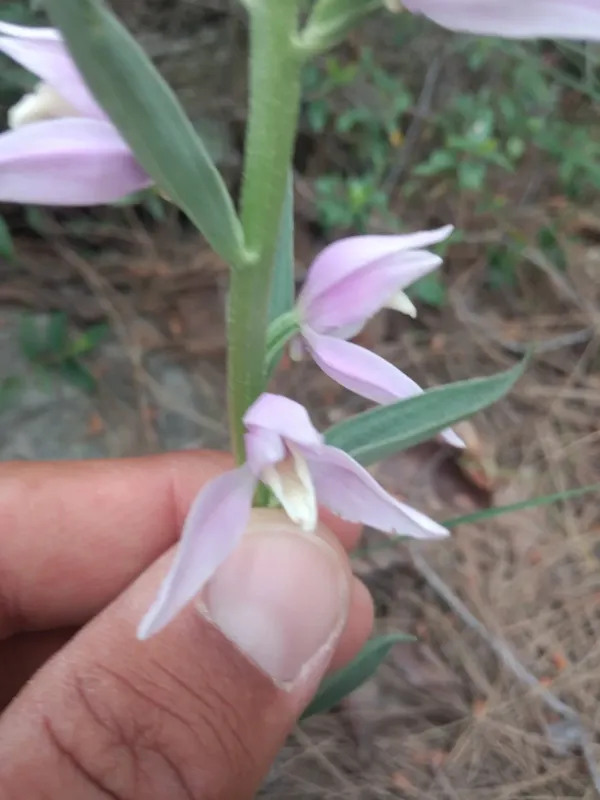
Description
Growing requirements
Kurdish helleborine (Cephalanthera kurdica) is a perennial herbaceous plant belonging to the Orchidaceae family. It is recognized for its unique floral morphology typical of the genus Cephalanthera.
The native range of this species is concentrated in the mountainous and forested regions of the Middle East and parts of the Caucasus. It typically thrives in cool, sheltered microclimates.
The species has very specific soil requirements, generally preferring calcareous soils with excellent drainage. It is rarely found in waterlogged or nutrient-poor acidic soils.
A fundamental biological feature of this orchid is its obligate dependence on mycorrhizal fungi. This symbiotic relationship is essential for nutrient uptake and the plant's long-term survival.
This species is not an agricultural crop but a wild orchid. Its cultivation is limited to botanical gardens or specialized collections where natural conditions can be precisely replicated.
Main diseases and pests
The primary threat to Kurdish helleborine populations is the destruction of natural habitats due to deforestation, urbanization, and agricultural expansion.
Overgrazing by livestock poses a significant risk to individuals growing in forest openings, as grazing animals often consume the plant before it reaches the flowering stage.
Climate change, which alters local precipitation patterns, negatively impacts the delicate mycorrhizal network in the soil, which is crucial for the orchid's metabolism.
Fungal pathogens and insects can affect the plant during the vegetative cycle, though they are usually secondary to the major threats of habitat degradation.
Illegal collection by individuals for ornamental purposes remains a persistent threat, as transplanted wild orchids rarely survive outside their natural ecosystem.