
Squarrose knapweed
Centaurea squarrosa Willd., non Roth
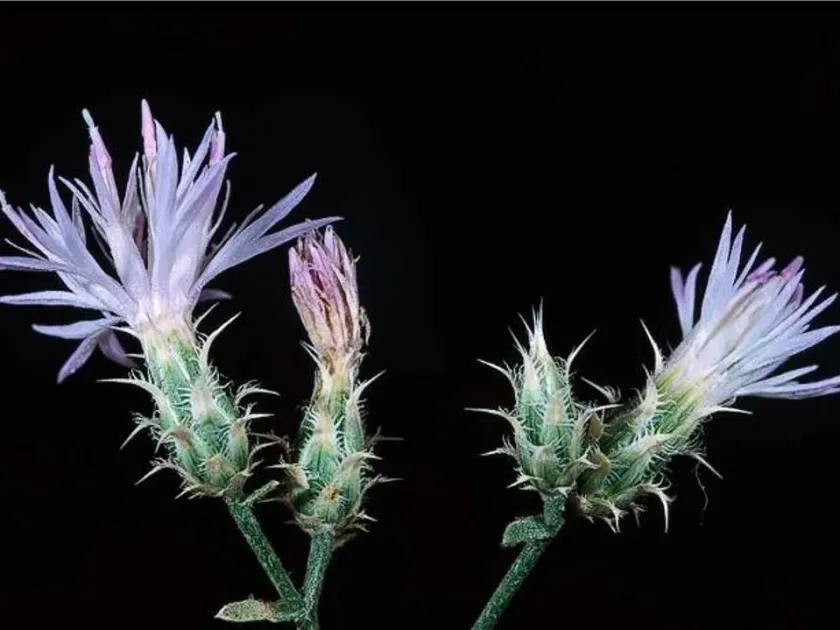
Description
Growing requirements
Squarrose knapweed (Centaurea squarrosa) is a herbaceous perennial belonging to the Asteraceae family. While not a conventional major crop, it is recognized for its utility in xeriscaping and soil conservation efforts in arid agricultural zones.
This species is native to dry grassland regions, showing exceptional resilience to extreme heat and prolonged droughts. Its biological strategy relies on a robust taproot system that enables the plant to secure nutrients and water in nutrient-poor substrates.
Cultivation requirements focus on providing high solar exposure and excellent drainage. The plant thrives in sandy or rocky soils and is highly intolerant of soil compaction and waterlogging, which often leads to immediate root decay.
Botanically, the species is defined by its stiff, spreading branches and prickly bracts surrounding its flower heads. These structural features serve as a natural defense mechanism against herbivore grazing in its natural habitat.
In terms of agricultural value, it serves as a valuable nectar source for pollinators during mid-to-late summer. Furthermore, its root system makes it an effective candidate for preventing wind erosion in sandy areas where other vegetation struggles.
Main diseases and pests
Fungal diseases represent the primary threat to the health of the plant, especially when ambient humidity levels rise significantly. Powdery mildew and various leaf rusts are common pathogens that can compromise plant vigor.
Pest pressure is mainly exerted by insects such as aphids and curculionids (weevils), which target both foliage and reproductive structures. Infestations can result in diminished seed quality and reduced stand density over multiple growing seasons.
Root-related issues often stem from poor soil structure or excessive moisture. To mitigate these threats, maintain optimal soil aeration and prevent water stagnation through strategic site selection and soil preparation.
Weed management is essential during the establishment phase. As the plant grows slowly in its initial months, it is highly susceptible to competition from more aggressive weeds, which necessitates regular manual or mechanical weeding.
Integrated Pest Management (IPM) strategies are recommended to maintain plant health. Chemical interventions should be used sparingly, focusing instead on cultural practices like sanitation and ensuring adequate spacing between individual plants.