
Dubrovnik knapweed
Centaurea ragusina L.
Description
Growing requirements
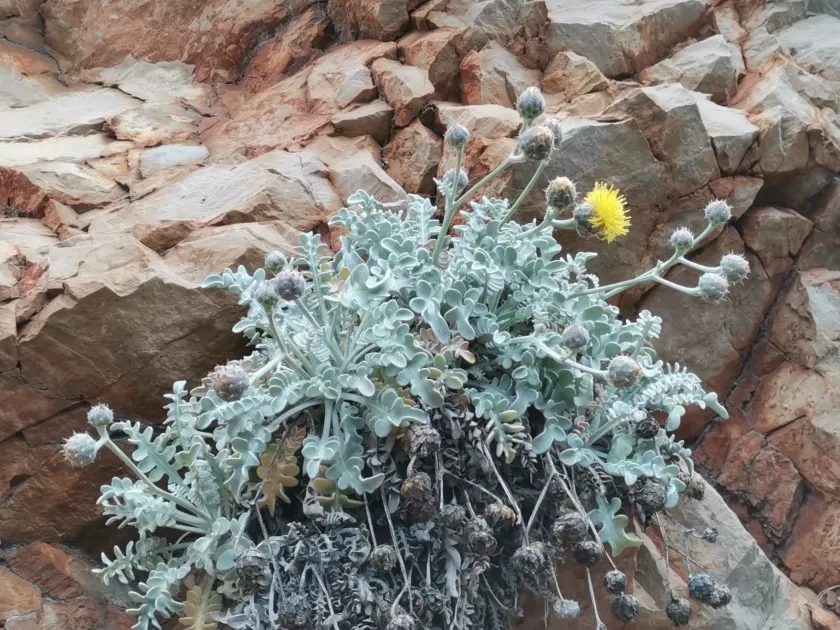
Dubrovnik knapweed (Centaurea ragusina L.) is a perennial flowering plant belonging to the Asteraceae family. It is native to the coastal regions of Croatia, where it thrives in rocky, maritime cliff environments.
This species is highly valued for its striking silver-grey foliage, which acts as a protective layer against intense solar radiation and salt spray. It grows in a compact, rosette-like form that makes it an excellent choice for rock gardens.
For successful cultivation, the plant requires full sun exposure and extremely well-drained soil. It does not tolerate heavy or waterlogged soil, which often leads to root death during the colder months of the year.
The plant is exceptionally drought-tolerant once established. Its water needs are very low, making it a sustainable choice for xeriscaping or Mediterranean-style gardens that require minimal human intervention.
A neutral to slightly alkaline soil pH is preferred, mimicking its natural habitat. During the winter, it is crucial to protect the plant from excessive precipitation by ensuring proper surface drainage around the base of the plant.
Main diseases and pests
The primary concern for Dubrovnik knapweed is fungal infection, particularly root rot, triggered by humidity. Poor drainage is the most significant contributor to plant decline in cultivated garden settings.
Aphids can cause significant stress to the plant during the spring flowering phase. Regular monitoring is recommended to catch infestations early, as the plant's leaves can be sensitive to heavy chemical applications.
Powdery mildew is a potential threat when airflow is restricted. Providing adequate space between individual plants is essential to ensure that leaves dry quickly after morning dew or rain, preventing fungal spores from germinating.
Slugs and snails may target the tender leaves, especially in young plants. Using physical barriers, such as sharp gravel or sand, can deter these pests without the need for toxic molluscicides.
Effective management requires a proactive approach: prioritizing dry, sun-drenched locations and keeping the crown of the plant clear of debris to ensure maximum air circulation throughout the growing season.