
Mountain cornflower
Centaurea montana L.
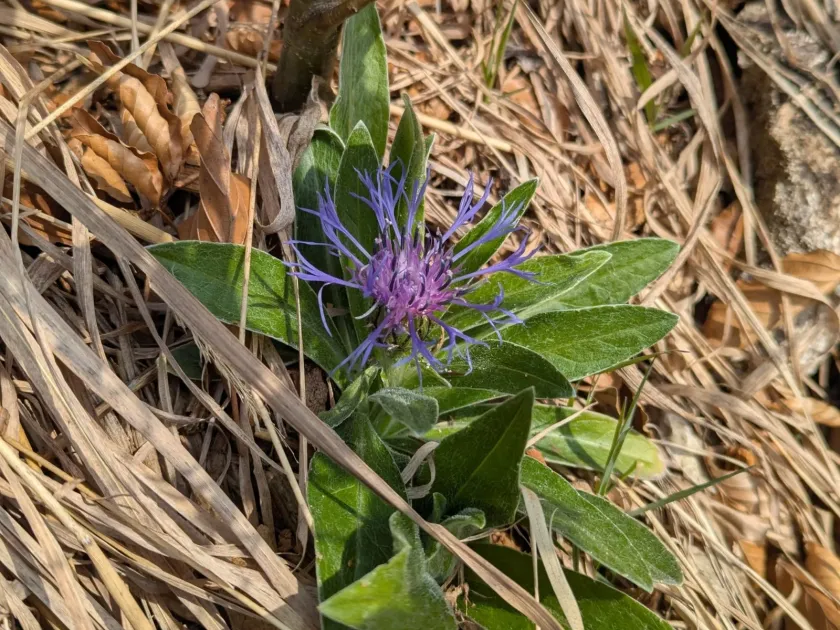
Description
Sowing dates
Mountain cornflower is typically propagated by sowing seeds in the autumn, allowing them to undergo natural stratification during the winter months.
Spring sowing is also possible, provided that seeds are stratified in a refrigerator for several weeks to break dormancy before being placed in soil.
Division of mature rhizomes is the preferred commercial method, performed in early spring or late summer to ensure rapid establishment of new plants.
When sowing, seeds should be lightly covered with substrate and kept at a stable temperature to facilitate germination within the first few weeks.
Spacing should be managed to allow 30 to 40 centimeters between individual plants to prevent overcrowding and ensure adequate airflow for the foliage.
Growing requirements
Centaurea montana is a perennial herb belonging to the Asteraceae family, native to the mountainous regions of central and southern Europe.
This species thrives in full sun but maintains consistent growth even in partial shade, making it a versatile choice for various landscape settings.
It prefers well-drained, fertile soil, although it shows remarkable tolerance to a variety of soil types as long as waterlogging is strictly avoided.
The plant exhibits excellent cold hardiness, surviving harsh winter temperatures without requiring any special protection or mulching in most climates.
Regular maintenance involves light feeding in early spring and the removal of spent blooms to encourage prolonged flowering throughout the summer season.
Main diseases and pests
Common issues include fungal pathogens such as rust and powdery mildew, which often develop in humid conditions or poorly ventilated planting sites.
Implementing proper spacing and ensuring the soil surface dries between waterings are the most effective cultural controls against these fungal diseases.
Aphids and spider mites are the primary pests that affect the health of the plant by feeding on the sap of young stems and leaf undersides.
Monitoring the plants during the early growth stage allows for early intervention with insecticidal soaps or organic remedies to mitigate infestation.
Healthy, well-fertilized plants are significantly more resistant to stress and pest attacks than those grown in nutrient-poor or overly saturated soils.
Harvesting
Harvesting for floral use occurs when the flowers are in their prime, typically mid-season, to maximize color retention and overall product quality.
Stems should be cut early in the day, after the dew has evaporated, using sterilized tools to maintain hygiene and prevent the spread of disease.
Drying is best accomplished in a dark, airy environment to preserve the vibrant blue pigment and medicinal properties of the petals.
In landscape management, deadheading is essential to improve the aesthetic appearance and prevent the plant from wasting energy on seed production.
Preparation for dormancy involves cutting back the old foliage in late autumn, which protects the root crown and prepares the plant for the next year.