
Spotted knapweed
Centaurea maculosa Lam.
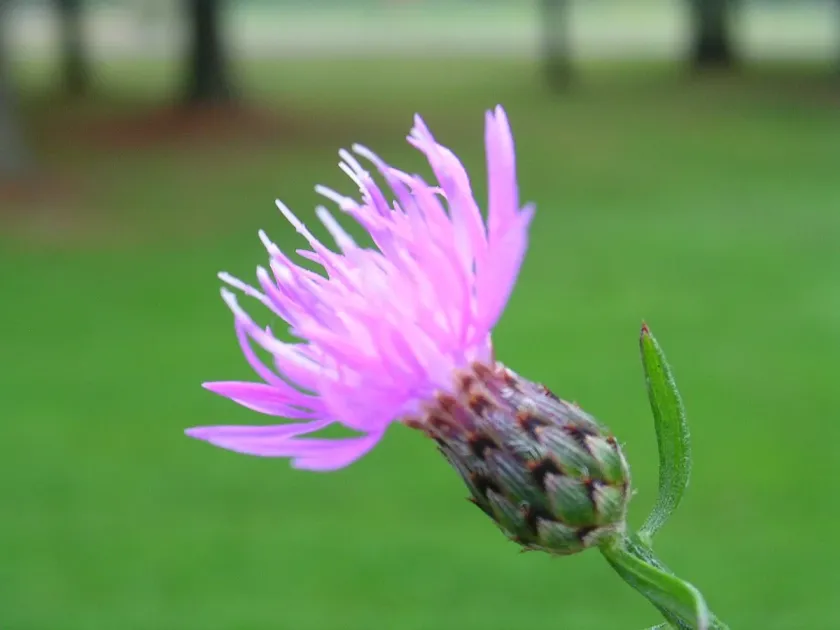
Description
Growing requirements
Spotted knapweed (Centaurea maculosa Lam.) is a perennial plant within the Asteraceae family, well-known for its adaptability and hardiness. Originally from Europe and Western Asia, it is recognized for its deep taproot and ability to thrive in harsh environments.
This species is highly resilient to diverse climatic conditions, showing remarkable tolerance to heat and moisture deficiency. Its ability to extract water from deep soil layers makes it suitable for growth in regions where other crops might struggle.
The cultivation of this plant requires well-drained, sandy, or loamy soils. It avoids areas prone to waterlogging, as excessive soil moisture can hinder root development and promote fungal infections in the root zone.
Spotted knapweed flourishes in neutral to alkaline soil conditions. Proper site selection includes open sunny areas, which are essential for vigorous growth and optimal production of biomass and nectar.
In terms of economic value, this plant serves as a significant honey plant, supporting pollinator health during its long flowering season. There is also potential for its use in the pharmaceutical industry due to its diverse profile of secondary metabolites.
Main diseases and pests
Fungal diseases are the primary concern for spotted knapweed, with powdery mildew being the most common issue. Proper plant spacing and good air circulation within the field are critical measures to reduce the prevalence of these pathogens.
Pests such as aphids and seed-feeding weevils can significantly impact seed yield and plant vigor. Monitoring for these insects throughout the growing season is essential for implementing timely management strategies.
Root rot represents a threat in poorly drained or waterlogged soils. Ensuring that fields are properly managed to prevent moisture accumulation is a key agronomic practice to mitigate this risk.
Integrated pest management strategies, emphasizing the use of biological control agents, help maintain healthy populations of the crop while minimizing chemical usage. This approach supports sustainable agricultural practices.
Due to its potential for rapid spread, management of spotted knapweed involves strict control of flowering periods and seed development. Prevention of unwanted seed dispersal is vital to ensure that the cultivation remains localized and environmentally responsible.