
Yellow knapweed
Centaurea macrocephala Muss. Puschk. ex Willd.
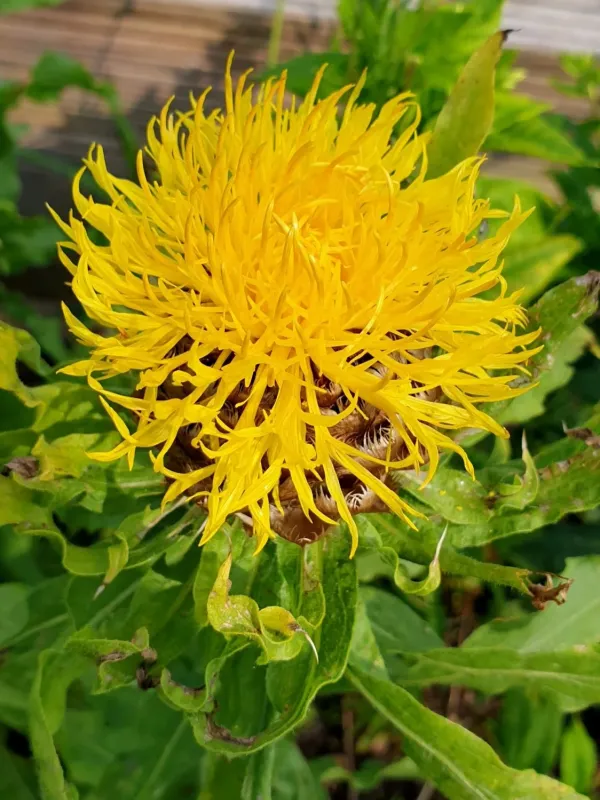
Description
Sowing dates
Centaurea macrocephala, commonly known as yellow knapweed, is propagated primarily through seeds or division of mature rootstocks. Seeds should be sown in early spring or late autumn to allow for natural stratification, which improves germination rates.
For container-grown starts, seeds can be planted indoors in late winter. This method ensures that the seedlings are sufficiently developed to be transplanted into the garden once the danger of hard frost has passed.
Division is best performed in the early spring or late autumn when the plant is dormant. Dividing the clumps every few years prevents overcrowding and maintains the vigor of the plant, ensuring healthy flowering in the subsequent seasons.
When sowing directly into the garden, seeds should be covered lightly with fine soil. Maintaining consistent soil moisture during the germination period is critical for the success of the new planting.
Spacing between plants should be generous, typically 40 to 60 centimeters, to allow for air circulation and the expansion of the large foliage. This prevents competition for resources and reduces the incidence of fungal issues.
Growing requirements
This perennial plant belongs to the Asteraceae family and is native to the Caucasus region. It is highly valued in horticulture for its hardiness and ability to thrive in various temperate climate conditions.
Full sun is the most important requirement for successful growth. While the plant can tolerate partial shade, insufficient light often results in elongated, weak stems that lack the structural integrity to support the heavy blooms.
The soil should be well-drained and moderately fertile. Centaurea macrocephala performs exceptionally well in sandy or loamy soils, as it dislikes heavy, waterlogged conditions that can compromise its root health.
The plant is relatively drought-tolerant once established due to its deep root system, making it an excellent choice for low-maintenance landscapes. However, supplemental watering during prolonged dry spells enhances flower size and color intensity.
While the plant can handle neutral to slightly alkaline pH levels, amending the soil with compost annually provides sufficient nutrients to keep the plant vigorous over its several-year lifespan.
Yield
The primary use of yellow knapweed is in ornamental gardening, specifically in cottage gardens, prairie-style plantings, and large perennial borders. Its golden-yellow, thistle-like blooms act as a focal point in any landscape design.
The plant is an excellent source of nectar for pollinators, including bumblebees and butterflies. By attracting beneficial insects, it serves an ecological function that supports the overall health of the garden ecosystem.
Centaurea macrocephala is highly prized for its performance as a cut flower and for dried floral arrangements. The large flower heads maintain their structural form and vibrant color long after they have been dried.
In terms of agricultural biomass, the plant is not a fodder crop, but its robust nature allows it to be used as a structural filler in flower beds. It remains a reliable performer for up to seven years without needing constant replanting.
Harvesting the flowers for display can be done without impacting the long-term health of the plant, provided that the foliage is left to photosynthesize after the flowering cycle is complete.
Main diseases and pests
The most common disease affecting the plant is powdery mildew, particularly in regions with high humidity. Ensuring adequate spacing and choosing a site with good airflow are the primary methods for prevention.
Pests like aphids may occasionally infest the tender new growth during the spring. Monitoring is essential; localized infestations can often be washed off with a strong jet of water or treated with insecticidal soaps.
Root rot is a significant risk in areas with poor drainage. If the soil remains soggy, the plant is susceptible to fungal decay, which is often fatal, necessitating careful site selection before planting.
Slugs and snails can be a nuisance during wet springs, occasionally damaging the lower leaves of the plant. Using protective barriers or organic deterrents is an effective strategy to keep these pests at bay.
Regular maintenance, such as deadheading faded flowers, not only improves the appearance of the garden but also reduces the opportunity for fungal pathogens to settle on decaying plant material.
Harvesting
The harvest for fresh cut flowers occurs when the flower heads are fully open and show vibrant color. Early morning harvesting is recommended to ensure the stems contain maximum water content for longevity in a vase.
If harvesting for dried floral arrangements, the flower heads should be cut at their peak maturity. They are then air-dried by hanging them upside down in a cool, dark, and well-ventilated location to preserve their shape.
Seed collection is possible in late summer when the seed heads turn brown and become dry to the touch. The heads can be cut and stored in paper bags to allow them to release their seeds naturally.
At the end of the season, the foliage should be cut back to the base once it begins to yellow. This helps the plant redirect energy to the root system for winter storage and clears the garden for winter maintenance.
Seeds should be kept in cool, dry storage conditions to maintain their viability until the following season. Proper drying of the seeds before storage is vital to prevent molding within the packaging.