
Cenchrus setosus
Cenchrus setosus Sw.
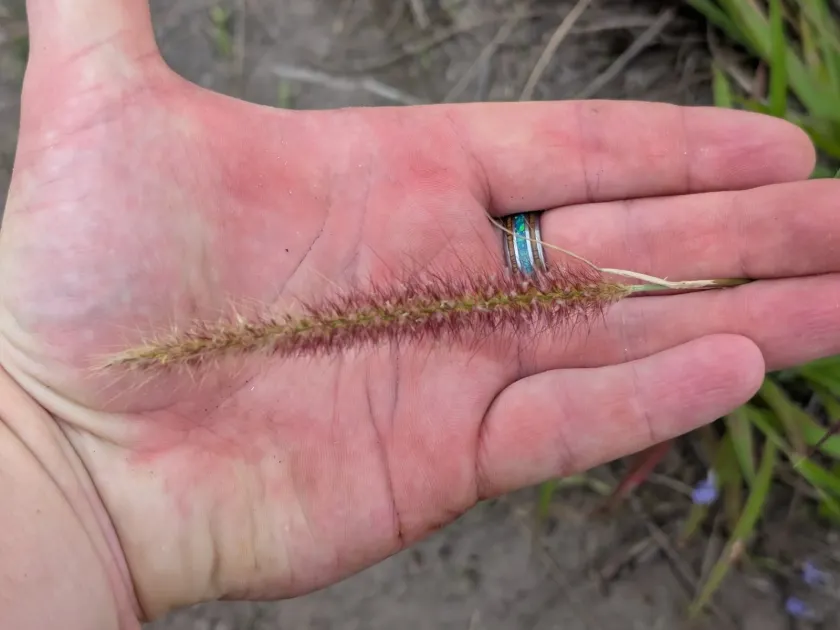
Description
Sowing dates
Cenchrus setosus, commonly known as a type of bristle grass, belongs to the Poaceae family and is recognized for its significant adaptability to tropical and subtropical environments.
The optimal time for sowing is at the beginning of the rainy season, ensuring that the seeds have sufficient moisture to establish their root systems effectively.
Seeds should be sown at a shallow depth of approximately 1 to 2 centimeters, as they require adequate light and warmth to break dormancy and germinate uniformly.
In large-scale forage production, broadcasting or row-seeding methods are utilized, depending on the specific soil conditions and the intended density of the sward.
Maintaining a constant soil temperature between 20 and 25 degrees Celsius is critical for high germination rates and the rapid establishment of vigorous young plants.
Growing requirements
This grass species is highly resilient, thriving in diverse soil types ranging from sandy and rocky soils to well-drained loams with low nutrient availability.
Cenchrus setosus is a drought-tolerant crop, capable of sustaining itself during dry spells, which makes it an excellent candidate for regions with unpredictable rainfall patterns.
Full sun exposure is a fundamental requirement for optimal growth, as the plant does not perform well in shaded conditions created by tree canopies or dense brush.
While the plant tolerates acidic soils, it performs best in neutral to slightly alkaline environments where soil minerals are most accessible to the roots.
Strategic nitrogen fertilization can significantly boost the biomass yield, especially in depleted soils, helping the plant develop a denser and more nutritious foliage.
Yield
The yield of Cenchrus setosus is largely determined by the management practices employed, including frequency of harvest and supplemental irrigation during the peak growing season.
In optimal tropical conditions with sufficient rainfall, the crop is capable of producing several cuttings per year, making it a reliable resource for livestock feed.
Average biomass production typically ranges from 4 to 8 tons of dry matter per hectare, depending on the site fertility and the specific climatic constraints of the region.
Grazing management is essential to prevent overgrazing, which can degrade the root system and reduce the long-term productivity of the grassland.
Harvesting at the vegetative stage, before the inflorescence matures, ensures the highest concentration of proteins and essential minerals in the harvested forage.
Main diseases and pests
The primary threats to the crop include common lepidopteran pests and grasshoppers, which can cause significant damage to the leaf tissue if not managed appropriately.
Fungal diseases such as rust or leaf spot can manifest during periods of excessive humidity, necessitating the use of disease-resistant varieties and proper field sanitation.
Root rot is a potential risk in areas with poor drainage, where standing water inhibits gas exchange in the root zone and weakens the overall structure of the plant.
Integrated pest management, including regular crop monitoring and the use of natural predators, helps maintain the health of the field without relying solely on chemicals.
Proper field rotation and avoiding continuous monoculture can interrupt the life cycles of soil-borne pathogens and contribute to healthier plant populations.
Harvesting
Harvesting for hay production should be executed when the plants are in the late vegetative stage to balance high nutritional content with maximum biomass accumulation.
Mechanical harvesting involves cutting the grass, followed by rapid drying to minimize nutrient leaching and the development of microbial contamination in the bales.
When used as a grazing resource, rotational systems are recommended to allow the stand to recover between grazing periods, ensuring persistent vegetative vigor.
Care must be taken during the reproductive phase, as the presence of stiff bristles on the inflorescence can cause mechanical irritation to the mouthparts of livestock.
Proper storage of the harvested forage, away from high moisture, is vital to prevent spoilage and maintain the quality of the feed throughout the off-season.