
Cenchrus setigerus
Cenchrus setigerus Vahl
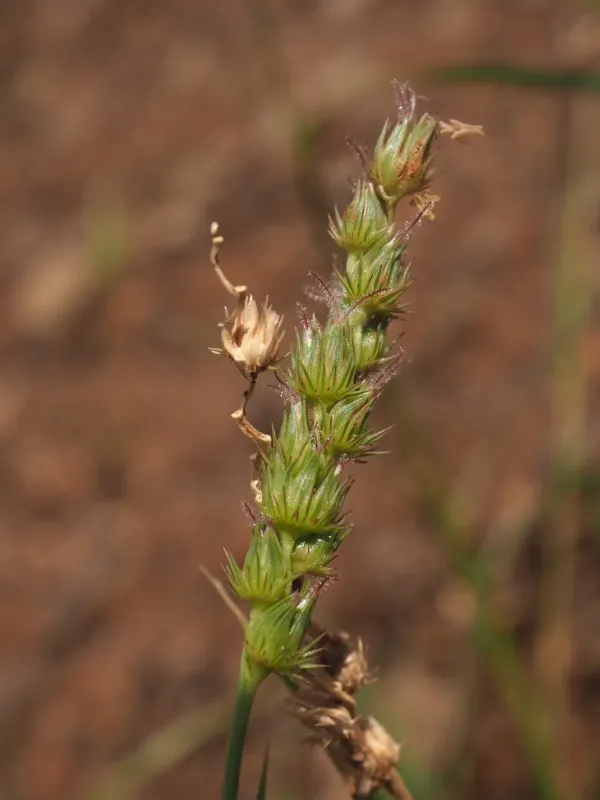
Description
Sowing dates
Sowing should be scheduled to coincide with the onset of the rainy season or when soil temperatures reach a consistent 20°C. Proper timing is crucial, as the seeds require reliable moisture during the initial germination phase to establish a strong root system before the dry season begins.
The seedbed must be finely prepared to ensure good seed-to-soil contact. Due to the small size of the seeds, they should be sown at a shallow depth of 1-2 centimeters. Over-seeding or excessive depth can significantly inhibit germination rates and overall crop stand density.
The recommended seeding rate is typically between 5 and 8 kg per hectare. In drier environments, row spacing is often increased to 50-75 cm to reduce inter-plant competition for limited soil water, ensuring that each plant has sufficient resources to reach maturity.
Compaction of the soil after sowing is a critical step in the agronomic process. Using a cultipacker or light roller helps secure the seeds in place and improves capillary water movement, which is essential for uniform sprouting under fluctuating environmental conditions.
Early maintenance involves weed control during the establishment phase. As the grass develops slowly during the first few weeks, it is sensitive to competition from fast-growing weeds. Once established, the dense root system and robust growth pattern allow the crop to dominate the site effectively.
Growing requirements
Cenchrus setigerus, commonly known as Birdwood grass, is a perennial member of the Poaceae family. Originating from the arid zones of Africa and Western Asia, this species has been successfully introduced to various tropical and subtropical regions to provide reliable forage in challenging environmental conditions.
The plant grows in dense bunches and features a deep, fibrous root system designed to extract moisture from deep soil layers. Its leaves are narrow and tough, a common adaptation to survive high evaporation rates and scarce rainfall, characteristic of its native habitats.
The species thrives in full sunlight and high temperatures, displaying peak growth rates in climates where temperatures exceed 25°C. It is exceptionally resilient to drought, possessing the ability to remain dormant during periods of extreme water stress and rapidly resume growth upon moisture availability.
While adaptable to a wide range of soil types, Cenchrus setigerus prefers well-drained, sandy or loamy soils. It demonstrates remarkable tolerance to soil salinity and can grow on low-fertility sites, helping to stabilize sandy soils and prevent erosion in degraded landscapes.
In agricultural practice, it is widely utilized for grazing and hay production. It is highly valued for its ability to maintain protein content during the dry season, providing essential nutrition for cattle, sheep, and goats when other pasture grasses have dried out or lost their nutritional value.
Main diseases and pests
Cenchrus setigerus is generally considered a hardy plant with few major pest problems. However, it can occasionally be affected by various fungal pathogens during periods of prolonged high humidity, which may cause leaf spotting or stem rot if drainage is insufficient.
Insect pests, such as grasshoppers or locusts, may periodically feed on the foliage, although the plant's growth rate often allows it to outpace minor infestation levels. Significant damage is rarely reported in well-managed, healthy stands of this grass.
Nematodes are another potential underground threat, especially in sandy soils where these pests thrive. Root-knot nematodes can weaken the plant's root system, leading to stunted growth and reduced biomass yield, particularly in areas with poor crop rotation practices.
Management of these threats focuses primarily on cultural practices rather than chemical interventions. Ensuring optimal field drainage, maintaining proper plant spacing, and avoiding overgrazing are the most effective strategies for keeping the pasture healthy and resistant to diseases.
Crop rotation and occasional resting periods for pastures also play a vital role in breaking the life cycles of soil-borne pests. By monitoring the stand regularly, farmers can identify and manage issues early before they impact the overall productivity of the forage crop.