
Cenchrus purpureus
Cenchrus purpureus x Cenchrus squamulatus
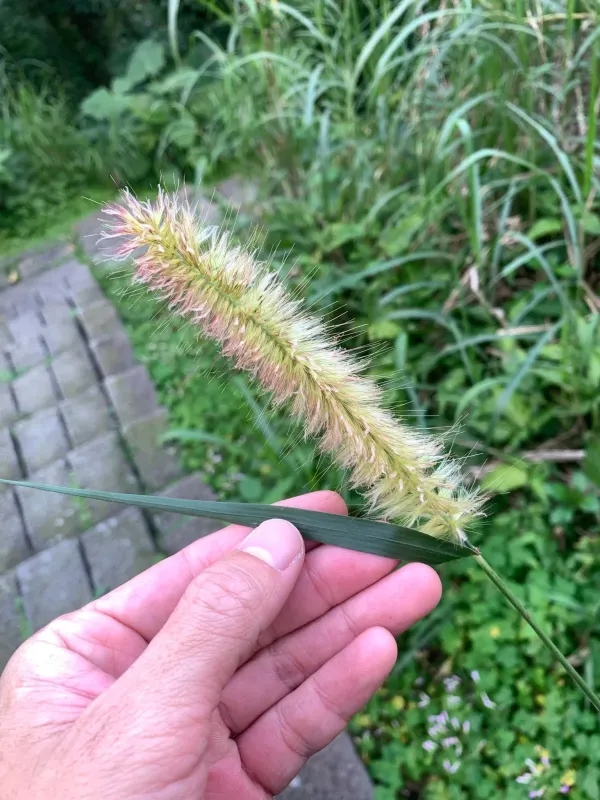
Description
Sowing dates
Cenchrus purpureus, commonly known as Elephant grass or Napier grass, is a robust perennial grass belonging to the Poaceae family. It is widely recognized for its exceptional biomass production capabilities and is a vital component of tropical livestock farming systems.
Propagation is primarily carried out vegetatively using stem cuttings or rooted clumps. Seed propagation is rarely used due to low viability and genetic variability, making clonal multiplication the preferred method for maintaining crop uniformity.
Cuttings should be planted in well-prepared soil at the beginning of the rainy season or when temperatures consistently exceed 18 degrees Celsius. Proper moisture at planting is crucial for successful establishment and rapid root development.
The standard planting distance varies between 60 and 90 centimeters between rows. This spacing allows for adequate airflow and provides sufficient space for the extensive root system to thrive, which is essential for maximizing yield.
The plant exhibits a remarkable growth rate, with stems capable of reaching heights of up to 4 meters. This high energy efficiency makes it a top choice for farmers looking to maximize output from a limited land area.
Growing requirements
Cenchrus purpureus thrives in tropical and subtropical climates, requiring temperatures between 25 and 35 degrees Celsius for optimal metabolic activity. Growth significantly declines when temperatures drop below 15 degrees Celsius.
As a C4 grass, it requires high solar radiation levels to maximize photosynthetic output. Adequate sunlight is essential for the rapid accumulation of dry matter and the development of high-quality succulent stems.
The crop performs best in deep, fertile, and well-drained soils. While it is tolerant of a range of soil types, it performs poorly in waterlogged conditions, which can lead to root rot and diminished vitality.
Water availability is the primary driver of production. Although it shows some drought tolerance due to its deep root system, supplementary irrigation during dry spells is necessary to maintain high yield levels across multiple harvests.
Nutrient management is critical for sustaining high production. The grass is a heavy feeder, particularly regarding nitrogen, and requires regular fertilization after each harvest to prevent soil depletion and maintain long-term plantation health.
Yield
Cenchrus purpureus is globally regarded as one of the most productive forage crops, capable of producing 40 to 100 metric tons of fresh biomass per hectare annually, depending on the management intensity.
Depending on the climatic conditions, it allows for frequent harvesting, often ranging from 4 to 8 cuts per year. This frequency provides a continuous supply of fresh fodder throughout the growing season for livestock.
The crop is highly suitable for ensiling. Its favorable sugar-to-protein ratio allows for the production of high-quality silage, which serves as a stable and nutritious feed source during the dry or winter seasons.
Beyond traditional livestock feed, the biomass is increasingly used as a raw material for biofuels, pellets, and fiber production, highlighting its versatility in modern agricultural and industrial applications.
With proper management, a single plantation can remain productive for up to 10 years, making it an economically viable and long-term solution for large-scale forage needs in many world regions.
Main diseases and pests
The crop generally shows good resistance to many common grass diseases, but it is susceptible to leaf rust, particularly in humid and poorly ventilated environments. This can reduce the photosynthetic area and forage quality.
Stem borers pose a significant threat to the crop, as larvae can tunnel into the stalks, damaging the plant's structural integrity and making it prone to lodging during strong winds.
Root-knot nematodes are another major concern, especially in lighter, sandy soils. They inhibit root growth and nutrient uptake, leading to stunted plants and yellowing of the leaves, which significantly impacts overall production.
Locusts and other foliage-feeding insects can cause extensive damage during the early establishment phase. Integrated pest management, including regular scouting, is necessary to mitigate these risks effectively.
Maintaining high soil fertility and rotating planting areas can help prevent the buildup of soil-borne pests. Chemical interventions should be used judiciously to avoid residual toxicity in the forage intended for animal consumption.
Harvesting
Harvesting is typically mechanized using forage harvesters. The cutting height should be maintained at 10 to 15 centimeters above the soil level to protect the crown and encourage rapid regrowth from dormant buds.
Timing the harvest is critical; the best nutritional quality is achieved when the grass is between 1 and 1.5 meters tall. Waiting too long leads to higher fiber content and decreased digestibility for the animals.
Once harvested, the grass should be processed immediately. If making silage, compacting and sealing the material without delay is essential to prevent aerobic spoilage and maintain the nutritional integrity of the feed.
For grazing systems, controlled rotational grazing is recommended to ensure the plants recover properly between cycles and to prevent overgrazing, which could jeopardize the long-term viability of the pasture.
Post-harvest maintenance includes cleaning up crop residues and applying a top-dressing of fertilizer. This practice ensures that the plants have the necessary resources to initiate a new cycle of rapid biomass production.