
Purple Napier grass
Cenchrus purpureus x Cenchrus americanus
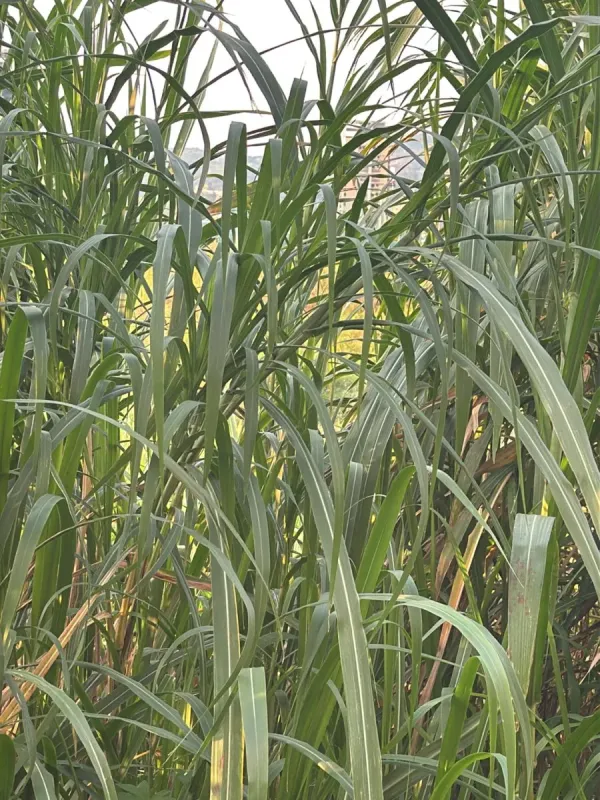
Description
Sowing dates
Sowing of this crop is primarily conducted in the spring when soil temperatures rise to 15–18 degrees Celsius. For uniform germination, seeds or vegetative cuttings should be planted at a depth of no more than 2–3 centimeters into well-prepared soil.
The optimal planting time depends on regional climatic conditions. In tropical zones, the plant can be sown throughout the rainy season, while in temperate latitudes, spring planting is standard once the risk of frost has passed.
The planting pattern must ensure sufficient nutrition for the plant's robust root system. Row spacing is typically maintained between 60 and 90 centimeters to ensure optimal photosynthesis and sunlight exposure.
Before sowing, it is essential to perform pre-plant cultivation to manage weeds, as the crop has low competitive ability in the early stages of development against weeds.
When using vegetative propagation, cuttings are placed in furrows with overlapping edges. This ensures a high density of stems and helps to establish a thick, vigorous canopy that is resistant to environmental stresses.
Growing requirements
Purple Napier grass, an interspecific hybrid, belongs to the Poaceae family. It thrives in hot climates and exhibits a high rate of photosynthesis due to its C4 carbon fixation pathway.
The crop has high light requirements. The plant is sensitive to shading, so for full development, it needs direct sunlight throughout the entire day.
Moisture requirements are moderate, though the plant needs regular watering to produce maximum biomass. It is drought-tolerant due to its deep root system but reacts poorly to prolonged waterlogging.
Fertile loamy or sandy soils with a neutral or slightly acidic pH are most suitable for cultivation. On poor soils, the crop requires nitrogen fertilizer application to maintain vigorous growth rates.
The plant is intolerant of sub-zero temperatures. Even short-term frost can lead to the death of the above-ground parts, so the planting site should avoid low-lying areas where cold air tends to accumulate.
Yield
Purple Napier grass is highly valued by agronomists for its extremely high biomass yield. Under proper management, one hectare can produce 80–120 tonnes of green biomass per season, depending on the number of harvests.
A high concentration of sugars and protein makes this crop a valuable component for silage. It ensiles well, which allows for the preservation of nutritional value over long storage periods.
Agricultural use extends beyond forage to include potential as an energy crop. The biomass of this grass serves as a promising feedstock for solid biofuel production or biogas generation.
Under intensive management, the crop can recover quickly after cutting. This allows for up to 4–6 harvests per year in regions with long growing seasons and sufficient rainfall.
Yield is directly proportional to the fertilizer regime. After each harvest, nitrogen application is recommended to stimulate regrowth and increase the overall productivity of the field.
Main diseases and pests
The main diseases affecting the crop include fungal infections such as rust and various types of leaf spot. These develop most actively under conditions of high humidity and poor ventilation within the canopy.
Among pests, the greatest danger is posed by sucking insects such as aphids and leafhoppers, which feed on plant sap and can vector viral diseases that reduce crop productivity.
Pest management should be based on integrated pest management (IPM) practices. The use of insecticides is allowed only when economic damage thresholds are exceeded to avoid toxic residues in the forage.
Weeds pose a serious threat only in the early stages of vegetation. Later, the massive clumps of the grass successfully shade out most weeds, effectively suppressing competition.
Disease prevention involves rotating crops and using resistant hybrid varieties. It is also crucial to avoid overly dense planting, which creates a microclimate favorable for pathogen development.
Harvesting
Harvesting is conducted when the plants reach the stem elongation phase or early heading. This period achieves the optimal balance between biomass quantity and nutritional quality.
Forage harvesters equipped with choppers are used for cutting. This allows for immediate preparation of the material for silage storage, which minimizes moisture loss.
Timeliness is critical for preserving the energy value of the product. Delaying the harvest leads to stem lignification and decreased digestibility for livestock.
After cutting, the stubble height should remain at least 10–15 centimeters. This is necessary to protect the growing point and ensure rapid regrowth of the grass for the next cycle.
In hot climates, harvesting should be performed in the early morning or evening. This reduces the load on machinery and minimizes the loss of valuable nutrients caused by evaporation of moisture from the cut material.