
Cenchrus purpureus
Cenchrus purpureus (Schumach.) Morrone
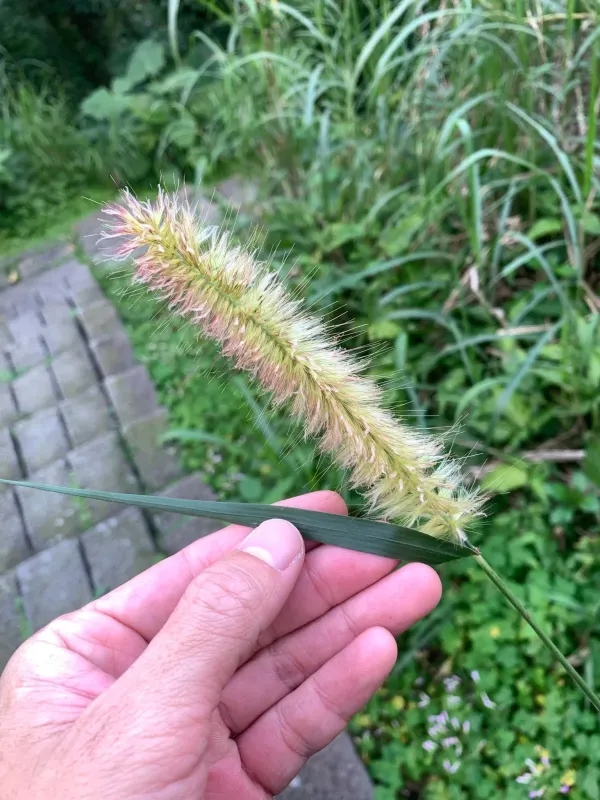
Description
Sowing dates
Cenchrus purpureus, commonly known as Napier grass or elephant grass, is a robust perennial tropical grass belonging to the Poaceae family. Propagation is primarily achieved through vegetative means, specifically using stem cuttings or rooted shoots, as seed production is often poor and unreliable.
Planting should occur at the onset of the wet season or when soil temperatures consistently remain above 20 degrees Celsius. This ensures sufficient moisture for initial root development and rapid establishment of the primary biomass structure.
Land preparation involves deep plowing to a depth of 30 centimeters to allow for the expansive root systems to penetrate deep into the subsoil. Spacing between rows is typically set at 60 to 90 centimeters to accommodate the significant clumping habit of the plant.
Weed management during the initial two months post-planting is critical to prevent competition for light and nutrients. Once established, the dense canopy of Napier grass naturally suppresses most weeds, reducing the need for extensive maintenance.
The plant regenerates vigorously from underground rhizomes after each harvest. This resilience makes it a highly economical choice for farmers, as replanting is only necessary after several years of intensive production.
Growing requirements
Napier grass is strictly a tropical and subtropical crop, requiring high temperatures throughout the year to achieve its full potential. It is highly sensitive to frost, which can kill the aerial parts of the plant and severely stunt future growth.
Deep, fertile, and well-drained soils ranging from sandy loams to clays are ideal for this crop. It thrives in a pH range of 5.5 to 7.5; however, it can tolerate a wide variety of soil types provided there is no risk of waterlogging or flooding.
The crop has a high requirement for nitrogen fertilizers to support its rapid biomass accumulation. Regular applications of nitrogen-based nutrients after each harvest cycle are essential to maintain soil fertility and yield levels.
While known for its drought tolerance due to deep roots, Napier grass responds exceptionally well to supplemental irrigation. In arid regions, consistent water availability is the primary factor differentiating average yields from record-breaking production.
Abundant sunlight is necessary for optimal photosynthesis. Shaded areas significantly decrease the plant's growth rate and biomass quality, so choosing a fully exposed site is recommended for successful cultivation.
Yield
Napier grass is globally recognized as one of the most productive forage crops, capable of producing massive quantities of dry matter per hectare. Under ideal conditions, it can yield between 60 and 80 tons of dry matter annually.
The frequency of harvesting directly influences both the quantity and the nutritional quality of the forage. Harvesting at 6-to-8-week intervals provides the best balance between protein content, palatability, and overall biomass volume.
The rapid growth rate is facilitated by the plant's efficient C4 photosynthetic pathway, which maximizes carbon capture under high-intensity solar radiation. This makes it an ideal crop for tropical livestock farming systems.
Yield stability is a major benefit of this crop, as it continues to grow throughout the season without the need for complex crop rotations. This consistency provides reliable feed supplies for dairy and beef cattle operations.
Strategic management of fertilization and cutting frequency allows farmers to fine-tune the yield based on specific livestock needs. Even in challenging environments, it outperforms most other tropical grasses in terms of caloric output.
Main diseases and pests
Eyespot disease is one of the most common fungal threats to the crop, manifesting as necrosis on leaves during humid periods. High humidity combined with warm temperatures creates the perfect environment for this pathogen to spread.
Insect pests, particularly stem borers, can inflict significant damage by tunneling into the stems and disrupting nutrient flow. This structural damage can lead to premature lodging and weakened stalks, which are harder to harvest mechanically.
Root-knot nematodes pose a hidden but serious threat, especially in sandy soils where the plant remains for several years. These pests weaken the root system, reducing the plant's efficiency in taking up water and essential nutrients.
Integrated pest management strategies, including the use of resistant varieties and crop rotation, are essential for maintaining healthy fields. Early detection through regular field scouting is the most effective way to manage these threats.
- Eyespot disease
- Stem borers
- Root-knot nematodes
- Aphids
- Leaf rust
Harvesting
Harvesting is typically performed using forage harvesters or mowers, ensuring the cut is made at a height of approximately 10–15 centimeters above the ground. This height is vital for preserving the basal buds required for regeneration.
The majority of the harvested material is preserved as silage. Proper ensiling requires fine chopping to encourage compaction and the exclusion of oxygen, which prevents the development of spoilage organisms like clostridia.
Because Napier grass can have a high moisture content, adding dry roughage or commercial silage additives can help improve the fermentation process and increase the nutritional profile of the final silage product.
Timely harvest is crucial; waiting too long results in highly lignified stems that are difficult for cattle to digest. The goal is to capture the plant when it contains the maximum concentration of digestible proteins and sugars.
Proper post-harvest field management, including immediate irrigation or fertilization after the crop is cleared, significantly improves the plant's ability to bounce back for the next growth cycle.