
Cenchrus polystachios
Cenchrus polystachios (L.) Morrone subsp. polystachios
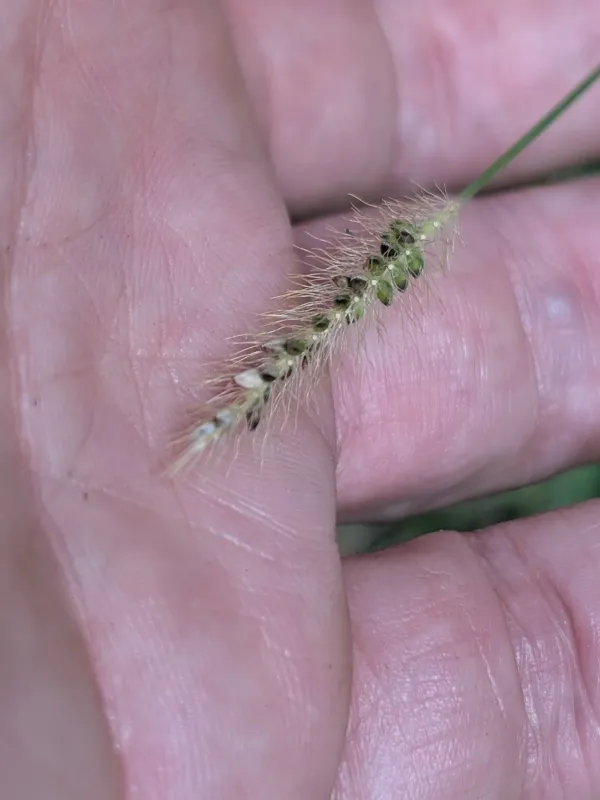
Description
Sowing dates
Cenchrus polystachios is a heat-loving grass species, necessitating planting in well-warmed soil. The ideal sowing window occurs when soil temperatures consistently range between 15°C and 18°C, ensuring rapid and uniform germination of the seeds.
In regions with temperate climates, sowing is scheduled for late spring to avoid the threat of late frosts. Early planting into cold, wet soil often results in sparse crop emergence and makes seedlings more susceptible to soil-borne pathogens.
Seed depth is a crucial factor for successful establishment. It is recommended to sow seeds at a shallow depth of 1–2 centimeters, which allows for optimal moisture contact while ensuring the seedlings can reach the surface with sufficient energy reserves.
The seeding rate typically ranges from 10 to 15 kg per hectare, depending on the chosen planting method and specific site conditions. Row planting with a spacing of 30–45 cm is often preferred to simplify mechanical maintenance and ensure proper airflow.
Rolling the field immediately after sowing is a critical agrotechnical step. This action improves capillary water movement toward the seedbed, significantly increasing the probability of even emergence during dry periods following the sowing date.
Growing requirements
As a member of the Poaceae family, Cenchrus polystachios is renowned for its remarkable drought tolerance. It is a perennial plant that thrives in tropical and subtropical climates, maintaining high vigor even during periods of intense summer heat.
The crop prefers light-textured, well-drained soils, such as sandy or sandy loams. It is highly sensitive to waterlogging, meaning that fields with poor drainage or high water tables are unsuitable for production as it can lead to root system decay.
The species possesses an extensive and deep-reaching root system, enabling it to efficiently scavenge moisture from deeper soil layers. This physiological adaptation makes it a superior candidate for reclaiming arid lands and managing erosion-prone sites.
Regarding soil pH, the plant is quite versatile, though it performs best in neutral to slightly acidic soil conditions. It does not tolerate high salinity levels, which should be assessed via a routine soil analysis before initiating cultivation.
Light intensity is a fundamental driver of growth for this species. Being a strictly light-loving plant, Cenchrus polystachios performs poorly in shaded environments, necessitating open, unobstructed field locations to maximize biomass production.
Yield
The agricultural value of Cenchrus polystachios stems from its rapid biomass accumulation during peak growing temperatures. Under proper management, the crop is capable of producing significant yields of forage and hay per hectare.
Dry matter yields can reach impressive levels of 30–50 tons per hectare, provided that adequate fertilization and rainfall (or irrigation) are available. Foraging quality is highest when the crop is harvested prior to the onset of stem lignification.
Nitrogen fertilization is a key lever for yield enhancement. The crop responds robustly to nitrogen, which promotes intensive tillering and rapid regrowth of the aftermath, allowing for multiple harvests within a single growing season.
Seed yield potential is similarly high, making it a viable crop for large-scale seed production. Farmers must exercise caution during harvesting to mitigate the natural tendency of the plant to shatter or drop seeds as they reach full maturity.
In pasture systems, yield is evaluated based on the plant's recovery rate after grazing. Cenchrus polystachios is highly resilient to trampling and grazing pressure, which significantly contributes to the longevity and sustainability of the pasture.
Main diseases and pests
While highly adaptable, the crop remains vulnerable to fungal diseases in humid conditions. Rust and powdery mildew are the most common afflictions, often resulting in premature senescence of the foliage and a marked reduction in forage palatability.
Pests such as cereal aphids and spider mites can cause severe damage, especially during prolonged droughts. These pests drain the plant of essential fluids, leading to stunted growth, leaf deformation, and weakened overall crop vitality.
An integrated pest management (IPM) approach is recommended to address these threats. This includes rigorous crop rotation to break pest life cycles and the maintenance of field hygiene to eliminate potential alternate host plants for diseases.
Chemical intervention should be strictly reserved for instances where the economic damage threshold is reached. Only registered pesticides should be used, with careful adherence to waiting periods between application and livestock grazing or harvesting.
Regular field scouting is essential during the active tillering phase. Early detection of pest or disease outbreaks is the most effective way to prevent widespread damage and ensure the continued productivity of the entire stand.
Harvesting
For high-quality hay production, the crop should be harvested during the heading stage. At this phenological point, the ratio of leaf to stem is at its peak, providing the most digestible and nutrient-dense fodder for livestock.
Mechanized harvesting often utilizes mower-conditioners, which crush the stems to expedite moisture loss. This process is vital for ensuring the crop reaches the target moisture content quickly, particularly in regions prone to sudden weather changes.
When harvesting for seed, timing is critical due to uneven maturation across the inflorescences. Swathing is a common practice, where the crop is cut and left in windrows for several days to allow for uniform ripening before final threshing.
For silage production, the crop must be finely chopped at the time of harvest to facilitate tight packing. Proper compaction in a silo is essential to displace air, which promotes the development of lactic acid and improves long-term preservation.
After the final harvest of the season, care should be taken to adjust cutting heights to preserve the plant's crown. This protects the growing points and ensures that the stand will regenerate effectively when the next growing season begins.