
Cenchrus gracillimus
Cenchrus gracillimus Nash
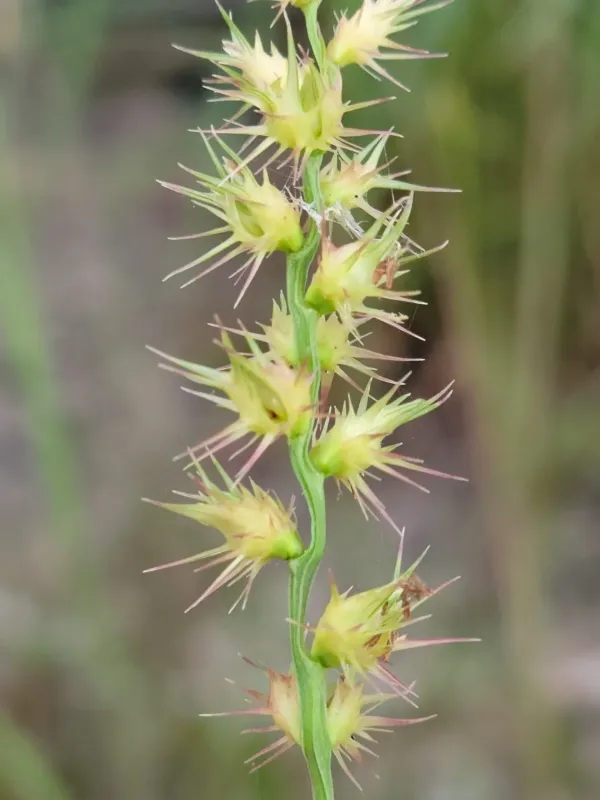
Description
Growing requirements
Cenchrus gracillimus is a perennial grass species belonging to the Poaceae family. Known for its graceful habit and soft inflorescences, this plant is increasingly recognized for its utility in both ornamental landscaping and soil stabilization projects.
The species originates from North American regions, where it has evolved to thrive in dry, sandy soils. Due to its evolutionary history, the plant demonstrates excellent drought tolerance and prefers environments that mimic its native habitat with full sun exposure and sharp drainage.
Botanically, this grass forms dense clumps with slender, arching leaves that transition into golden hues during late autumn. The inflorescences are distinctive spikes covered in soft, hair-like structures, providing a unique texture that persists throughout the winter months.
Agronomic requirements are focused on soil aeration and light availability. It does not tolerate waterlogging, which often leads to root suffocation. Ideal growth is achieved in sandy or sandy-loam soils with moderate fertility; excessive nitrogen fertilization should be avoided.
In terms of хозяйственное (economic) utility, it serves as a specialized plant for xeriscaping and ecological restoration. Its deep root system helps anchor loose substrate, making it a viable candidate for erosion control on slopes and arid landscapes.
Main diseases and pests
Generally, this species is resistant to major cereal diseases when cultivated under appropriate environmental conditions. However, poorly drained sites can lead to the development of fungal pathogens, specifically crown rot, which weakens the plant's structure.
Pest pressure is usually limited to common grass insects such as aphids or spider mites. These pests may infest the leaves during periods of extreme heat and humidity, resulting in discoloration and reduced vitality if left unchecked.
Preventive maintenance is the most effective strategy for managing threats. This includes avoiding overhead irrigation during peak humidity and ensuring proper spacing between individual plants to promote airflow within the foliage.
Mechanical damage from rodents can occur in winter if the plants provide shelter for pests. Clearing old debris from the base of the clumps in early spring is a recommended practice to maintain plant hygiene and vigor.
Monitoring the health of the clumps is crucial during the early growing season. If localized infections are detected, early intervention with organic fungicides or removing the affected plant material is sufficient to keep the rest of the planting healthy.