
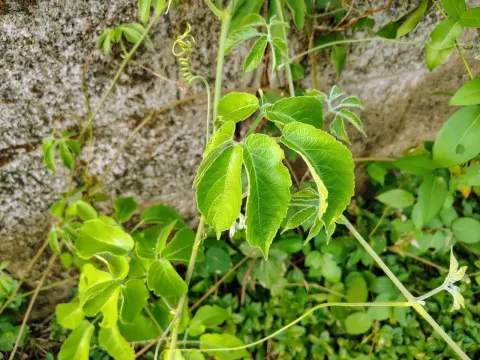
Cayratia
Cayratia
Cayratia is a genus of climbing plants belonging to the Vitaceae family. These vines are characterized by their vigorous growth and the presence of tendrils, which allow them to climb various structures effectively in a tropical environment.
What the section contains


Cayratia
The native range of the genus includes tropical and subtropical regions of Asia, Africa, and the Pacific Islands. These plants naturally inhabit forests and riverside areas where they receive filtered sunlight and constant humidity.
To cultivate Cayratia successfully, it is essential to provide well-draining, nutrient-rich soil. The plant thrives in environments that mimic its natural habitat, requiring soil with a slightly acidic to neutral pH balance to ensure optimal nutrient uptake.
Temperature requirements remain strict, as the plant prefers stable, warm climates without extreme fluctuations. It is generally not cold-hardy, making greenhouse or indoor cultivation necessary for those living in temperate zones with harsh winters.
The primary use of Cayratia is ornamental, serving as an excellent plant for green walls, trellises, and shaded garden structures. Certain species have historical significance in local ethnobotany, though their use is limited primarily to niche traditional applications.
The most common pests affecting Cayratia are spider mites and scale insects. These thrive in dry indoor air, so keeping the plant clean and maintaining adequate humidity is the best way to prevent significant infestations.
Poor soil drainage or excessive stagnant water often leads to root rot, which can be fatal to the vine. Additionally, powdery mildew may develop if the plant is kept in an area with stagnant, humid air and insufficient light penetration.